
Cuban postgraduate student Leoandris Martinez Serrano: “Russia inspires me”
Leoandris Martinez Serrano came to study in St. Petersburg from sunny Cuba. He is now a postgraduate student at the Polytechnic University. We talked about the choice of Russia, funny linguistic curiosities, harsh academic discipline and how to find a common language with the northern culture.
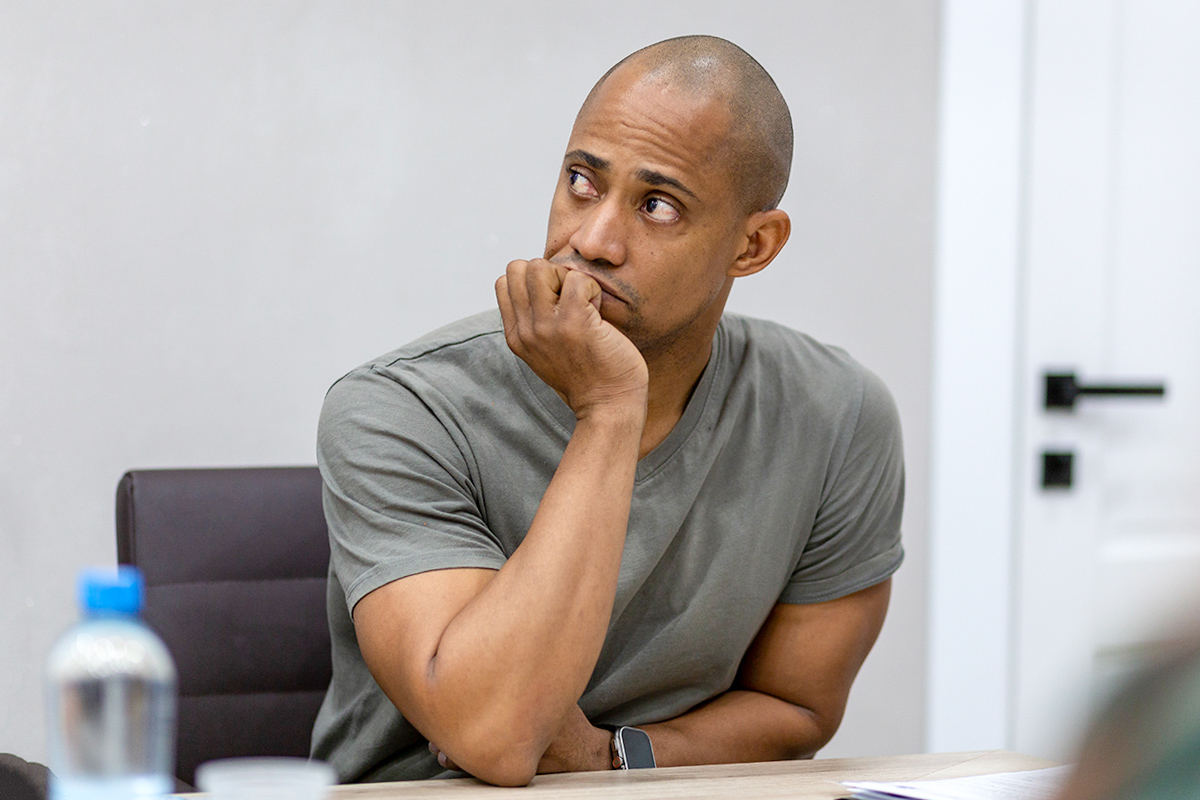
— Hello, Leoandris! Please tell us about yourself and how you ended up in Russia.
— ¡Hola! I am Leoandris Martinez Serrano from Cuba. After completing my master’s degree in my homeland, I decided to continue my education abroad and am now studying at the postgraduate school of Peter the Great St. Petersburg Polytechnic University.
— Why did you choose Russia and Polytechnic University to continue your education?
— Firstly, because of the historical friendship of our countries, it created a sense of reliability. And secondly, I was purposefully looking for a strong engineering school with a worldwide reputation. St. Petersburg Polytechnic University is just such a place. I really wanted to get to know this legendary academic environment from the inside, and I must say that the curriculum fully met my expectations.
— What difficulties did the international student face in the first months? And what would you recommend for beginners?
— The most important advice is not to lock yourself in a dormitory and in textbooks. Immerse yourself in the language through TV series, music, and communication. And be sure to find time for sports — it helps to reboot and study more effectively. And the difficulties? They were often funny! Once in the store, my friend and I asked for «one gram of salad» instead of a kilogram. The saleswoman was laughing so hard she couldn’t speak! And at the bank, because of the language barrier, I answered the wrong questions for a long time and very sincerely. It was awkward, but it was a valuable experience of real, lively adaptation.
— What is the most useful academic habit that you have acquired here?
— The Russian education system has taught me discipline and proactivity. I have made a strict schedule, accustomed myself to regular classes, read a lot of scientific literature in Russian and, most importantly, stopped being afraid to ask questions if something is unclear. It also perfectly develops the skill of solving non—standard tasks — it’s like gymnastics for the mind, which teaches you to look at a problem from different angles.
— Is studying at a Russian university difficult?
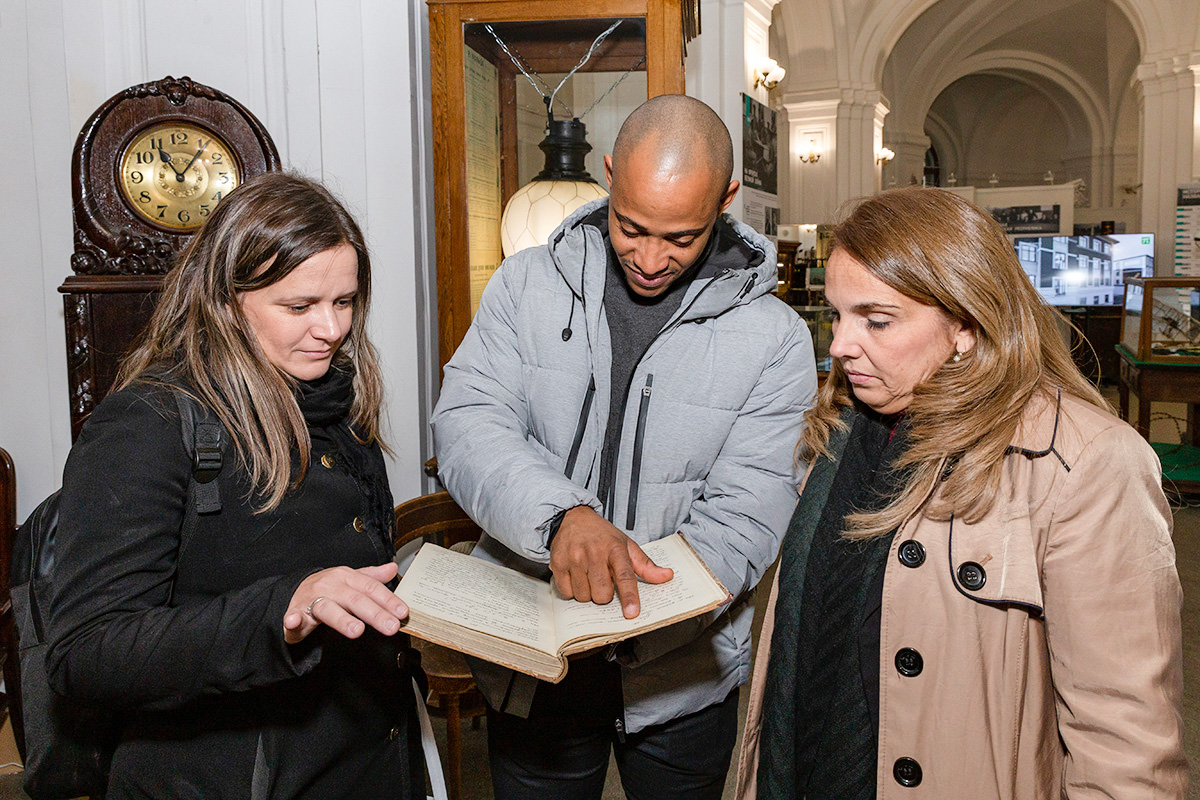
— This is a deep opportunity to immerse yourself in your research interests. Sometimes it is so deep that I sacrifice sleep — this is my main challenge now, I need to adjust the regime. But we have a lot of support: the teachers at the Polytechnic are excellent specialists and are always open to dialogue. I also found wonderful friends here, with whom we study together, come up with strategies on how to better master both the language and complex subjects.
— Tell me about your research work.
— My field of research is automation and control in the electric power industry. To be more precise, I am developing new mathematical methods and algorithms for managing powerful technical systems such as national power grids. The introduction of such methods will improve the reliability, stability and quality of electricity in large power systems. This is an important step towards creating Smart Grids that efficiently integrate renewable energy sources and are resilient to failures. Thus, I work at the intersection of the theory of automatic control, applied mathematics and energy, striving to make the power supply more stable and safer.
— What struck you most about Russian culture after Cuba?
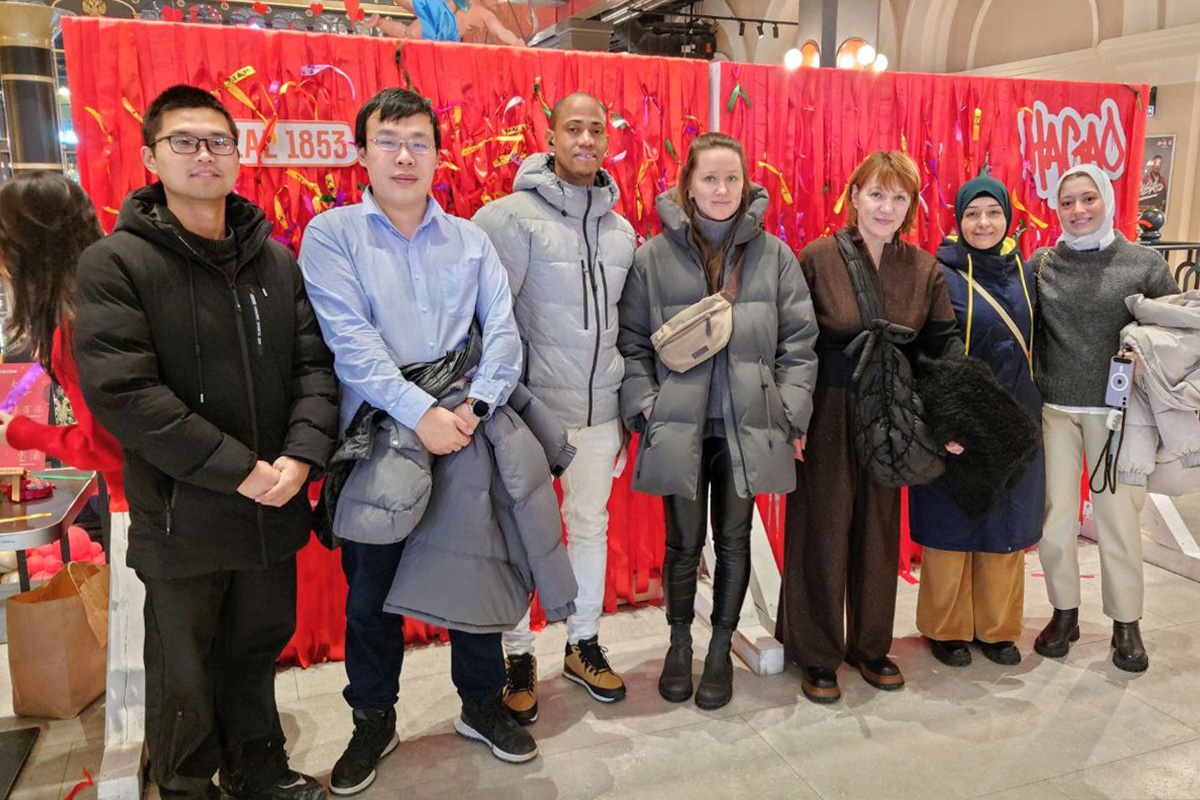
— Contrasts. In Cuba, because of the warm climate, life takes place outdoors, and people are immediately very open. In Russia, especially in St. Petersburg, people take longer to look at people, but the friendship that arose «in the long twilight» becomes very strong. I have learned to appreciate local punctuality and the inner fortitude that helps people overcome difficulties. It’s very inspiring.
— What are your plans for the future?
— Defend your doctoral thesis here at the Polytechnic and stay to teach. I want to continue my immersion in the Russian language and culture. And I sincerely hope that Russia will continue to be as hospitable to international students, especially for us Latin Americans.