
From Workforce Training to University Transformation: Polytechnic University Presented the Results of RAFU's Work at the "Russia — Africa" Forum
SPbPU Rector, Academician of the Russian Academy of Sciences A. I. Rudskoi presented the results of three years of work of the Russian-African Network University (RAFU) under the coordination of Peter the Great St. Petersburg Polytechnic University at the III Economic and Humanitarian Forum “Russia — Africa,” which is being held on October 28−29 in Moscow. The main outcome of this period is the transition from academic exchanges and individual educational initiatives to large-scale projects for the modernization of higher education, the training of national personnel, and joint technological development of African states.
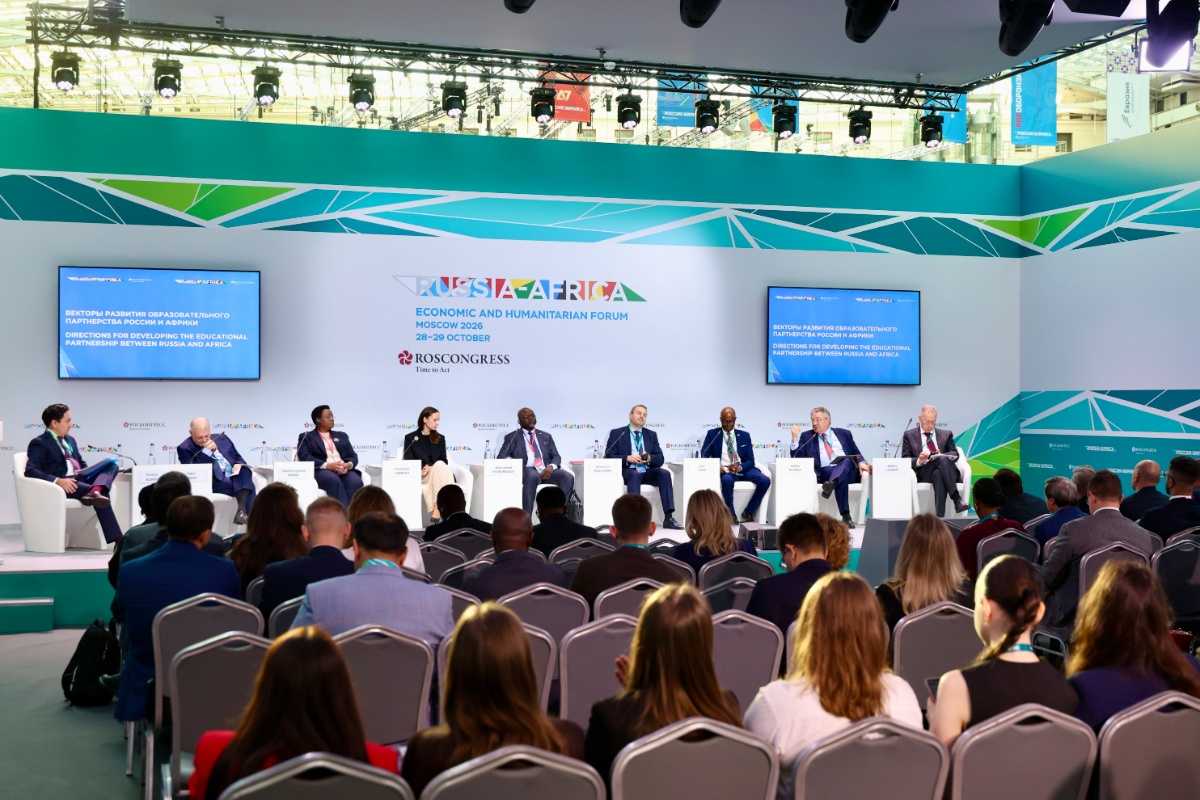
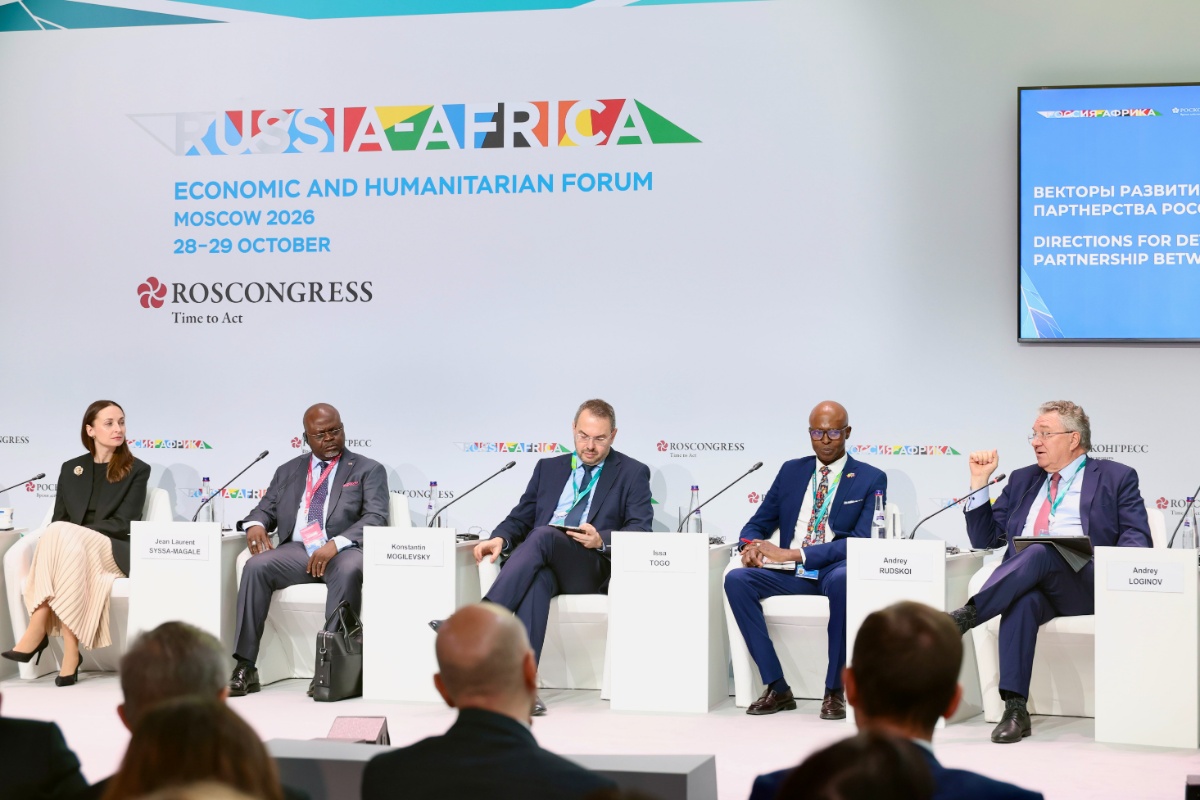
Andrei Rudskoi became one of the key speakers at the panel session “Vectors of Development of Educational Cooperation between Russia and Africa,” dedicated to the training of national personnel, the development of university partnerships, and the formation of new mechanisms for educational cooperation.
Opening the discussion, Deputy Minister of Science and Higher Education of the Russian Federation Konstantin Mogilevsky emphasized the fundamental task of Russian education in Africa: “Our goal is not to retain foreign minds here. We provide education and invite students to return to their homeland. This is a contribution to strengthening friendship with African countries.”
It was precisely this logic — training specialists who will work for the development of their own states — that formed the basis of Andrey Rudskoy’s speech. In 2023, at the second “Russia — Africa” summit in St. Petersburg, Polytechnic University assumed coordination of RAFU. Over three years, the number of consortium participants has tripled. Today it brings together more than one hundred Russian universities and scientific organizations, about 80 universities from 20 African countries, as well as industrial partners.
However, the SPbPU rector emphasized, the main result is not measured by the number of participants or events held. Over these years, RAFU has formed a large-scale network platform capable of uniting the educational, scientific, and technological competencies of Russian universities to solve specific tasks of African states.
It is fundamentally important that the initiative for transformations increasingly comes directly from African partners. Ministries and universities determine modernization priorities, required competencies, and expected results. RAFU’s task is to assemble the capabilities of Russian universities, scientific organizations, and technology companies to meet these requests, form comprehensive programs, and ensure their implementation.
One of the most striking examples of such work was the transformation of the consortium’s flagship project — the RAFU Summer Multidisciplinary University. Over three years, the SMU has evolved from a format of short-term educational courses into a system of targeted professional retraining and advanced training of national personnel, including university rectors, management teams, and specialists from ministries of African states.
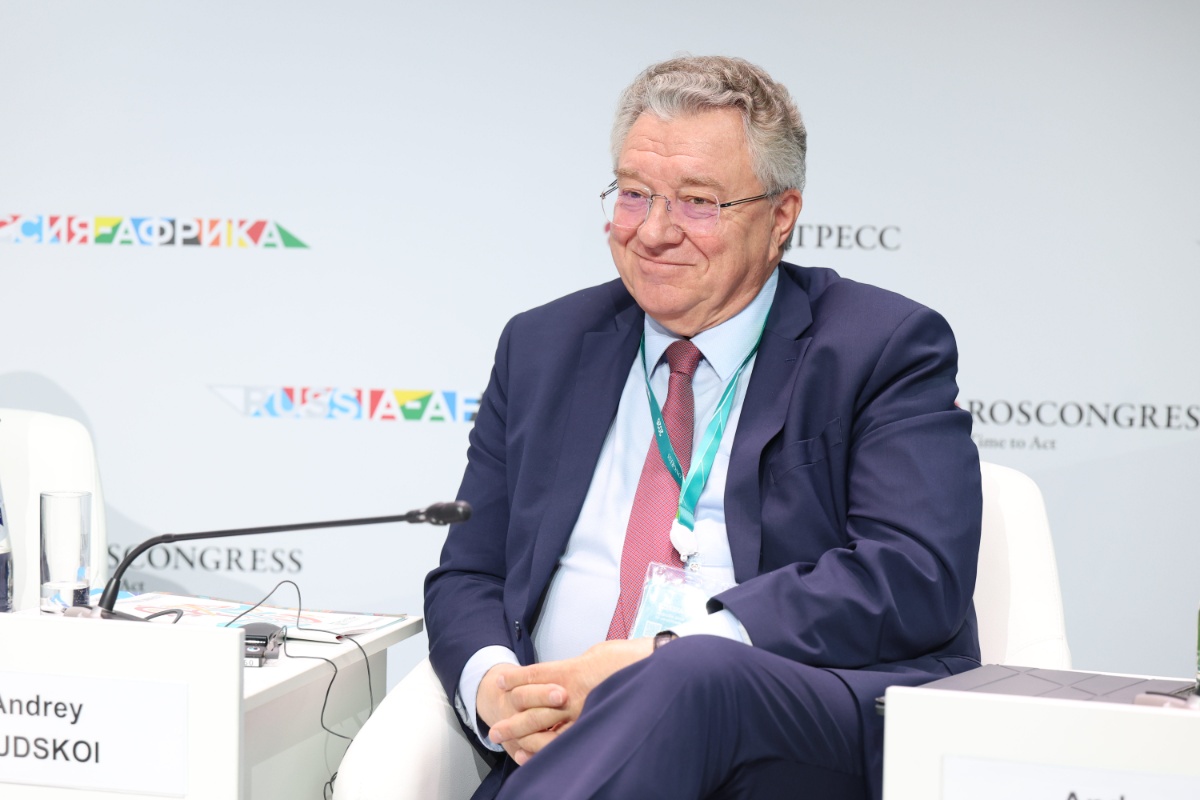
Today, SMU programs are developed for the specific requests of partners and implemented with the involvement of the competencies of various Russian universities. Over three years, more than 1,200 representatives from 37 African countries have completed training in 70 programs — from university management and engineering to medicine, agriculture, and sustainable environmental management. At the same time, programs for leaders who will carry out transformations in national educational systems are becoming particularly important.
We are training not just specialists. We are training the leaders of African countries — those who will shape the policy of technological development and the modernization of national education systems,
stated Andrey Rudskoy.
Another strategic direction has been the formation of a unified infrastructure for access to Russian education on the African continent. On the initiative of RAFU, Days of Russian Education have been held in eight African countries, information centers have been created, and digital educational resources are being developed. An important new tool has been the RAFU International Olympiad, held for the first time in 2026: about 1,500 applications from 40 African countries, 20 winners who have already enrolled in Russian universities under a dedicated quota. Thus, the consortium is building a system of support for talented young people — from familiarization with Russian education to the training of future specialists and researchers.
Special attention in the speech was given to the integration of education, science, and industry. RAFU universities, together with African partners, are developing research in the fields of energy, new materials, agriculture, medicine, ecology, and digital technologies. Russian technology companies are joining this work, including Rosatom, RUSAL, Roscosmos, and RusHydro. The next task is the transition from individual research initiatives to comprehensive technological projects in which personnel training is directly linked to the needs of the economies of African states.
One of the most large-scale examples of this approach has been the project to modernize the national higher education system of the Republic of Mali, which Polytechnic University is coordinating at the request of the Malian side. Nine Russian universities have prepared teaching and methodological materials for 29 educational programs, and more than 70 teachers and university leaders from Mali have completed professional development at 12 Russian universities. A crucial component of the project is the development of the Polytechnic University of Bandiagara as a future center for training national engineering personnel. On the sidelines of the forum, SPbPU signed a cooperation agreement with it in the field of science and education.
In parallel, Polytechnic University, together with the Moscow Aviation Institute, is implementing a professional retraining program for the National Center for Artificial Intelligence and Robotics of Mali, helping to build its own national competencies in advanced technologies.
Honorary Consul of the Republic of Mali in St. Petersburg, Ambassador of Russian Education Issa Togo emphasized the significance of this work: SPbPU’s partnership with Mali, which has been actively developing since 2017, is a direct investment in the country’s human resource sovereignty. Working on the principle of 'teaching teachers,' we help young specialists from Mali master artificial intelligence technologies in Russia for the subsequent management of development at home.
Summing up his speech, Andrey Rudskoy outlined the main tasks of the new stage of RAFU: the transition to systematic training of national personnel, the modernization of university systems at the request of African partners, and the implementation of large-scale scientific and technological projects with the participation of industry.
The final chord of the first day of the forum was the ceremonial presentation of certificates and professional development credentials to the university leaders of the Republic of Mali. It took place in the presence of the Minister of Mining of Mali Amadou Keita and the Extraordinary and Plenipotentiary Ambassador of Mali to the Russian Federation Seydou Kamissoko.
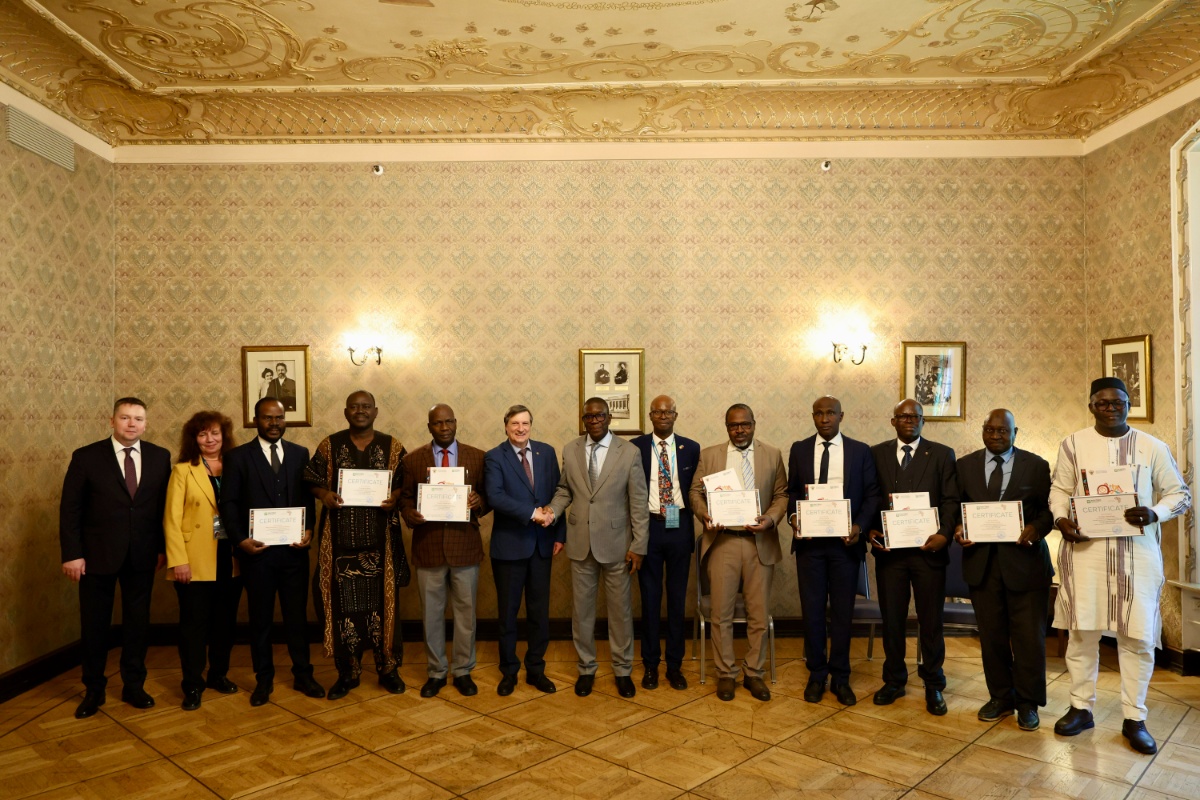
The documents were received by rectors and heads of national institutes of Mali who completed SPbPU’s original program “Digital Research Leadership” within the framework of the RAFU Summer Multidisciplinary University. The program was specially designed for leaders in higher education and focused on modern approaches to university management, digital transformation, and the development of research activities. During the training, participants worked on development strategies for their own educational institutions, drawing on Polytechnic University’s experience and modern tools for managing university transformations.
The completion of the professional development program specifically on the sidelines of the 'Russia — Africa' forum emphasizes the special status of our partnership with the Republic of Mali. During their training at Polytechnic, our Malian colleagues not only immersed themselves in the best practices of digital transformation and university management but also formulated development strategies for their educational institutions. We see in them not just students but partners, together with whom we are creating a new image of higher education in Africa,
noted Vice-Rector for International Affairs of SPbPU Dmitry Arsenyev.
The completion of the three-year period of Polytechnic University’s coordination of RAFU marks the beginning of a new stage in the consortium’s development. Coordination functions are passing to Kazan Federal University, which will continue the development of the large-scale cooperation network, educational mechanisms, and joint initiatives formed over these years. SPbPU remains an active participant in RAFU, preserving and developing partnership with African universities primarily in the field of engineering education, scientific and technological projects, and comprehensive modernization of higher education. The accumulated experience and created mechanisms become a solid foundation for further joint work of Russian and African universities on tasks of strategic importance for the development of the continent.