
Polytech helps partner universities integrate project-based activities into their educational programs
Experts from Peter the Great St. Petersburg Polytechnic University organized a professional development program in the field of project activities at the Russian-Tajik (Slavic) University (RTSU). Teachers and staff of RTSU got acquainted with the methodology for organizing student projects developed at Polytechnic University and, working in teams, designed a strategy for implementing the course “Fundamentals of Project Activity” at their own university.
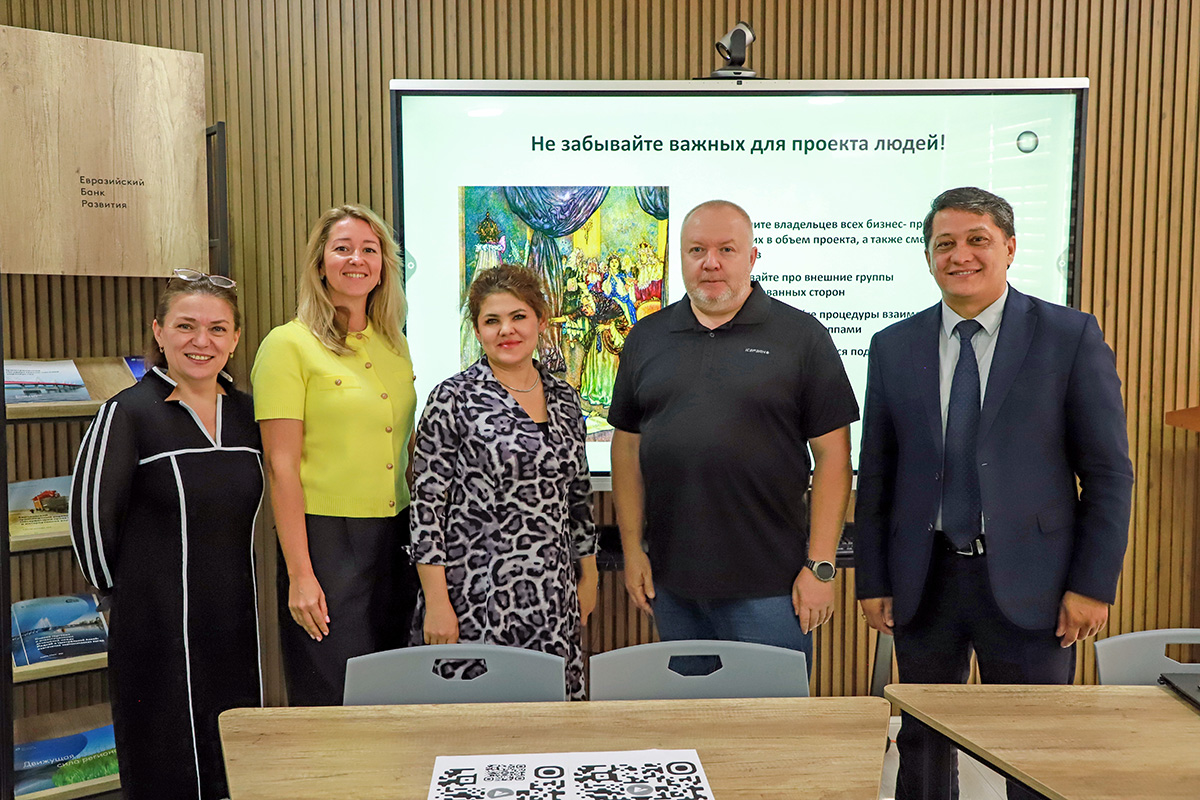
34 RTSU staff members participated in the educational program — representatives of faculties (Economics and Management, Law, Foreign Languages, History and International Relations), as well as various administrative units. This composition made it possible to discuss the implementation of project activities simultaneously from the perspectives of departments and university management. After the in-person part, the participants will still need to master the materials in an online format.
The first day was dedicated to why a university needs project activities and how they are organized at Polytechnic University. The experts spoke about the place of projects in SPbPU’s educational policy, the principles of organizing student projects, and the course “Fundamentals of Project Activity” (FPA), which has been implemented at the university since 2019 and is taken annually by all second-year bachelor’s students. A separate topic was the changing role of the teacher-mentor in the era of artificial intelligence and why a project with a real client helps cope with the “ready answer effect” from AI.
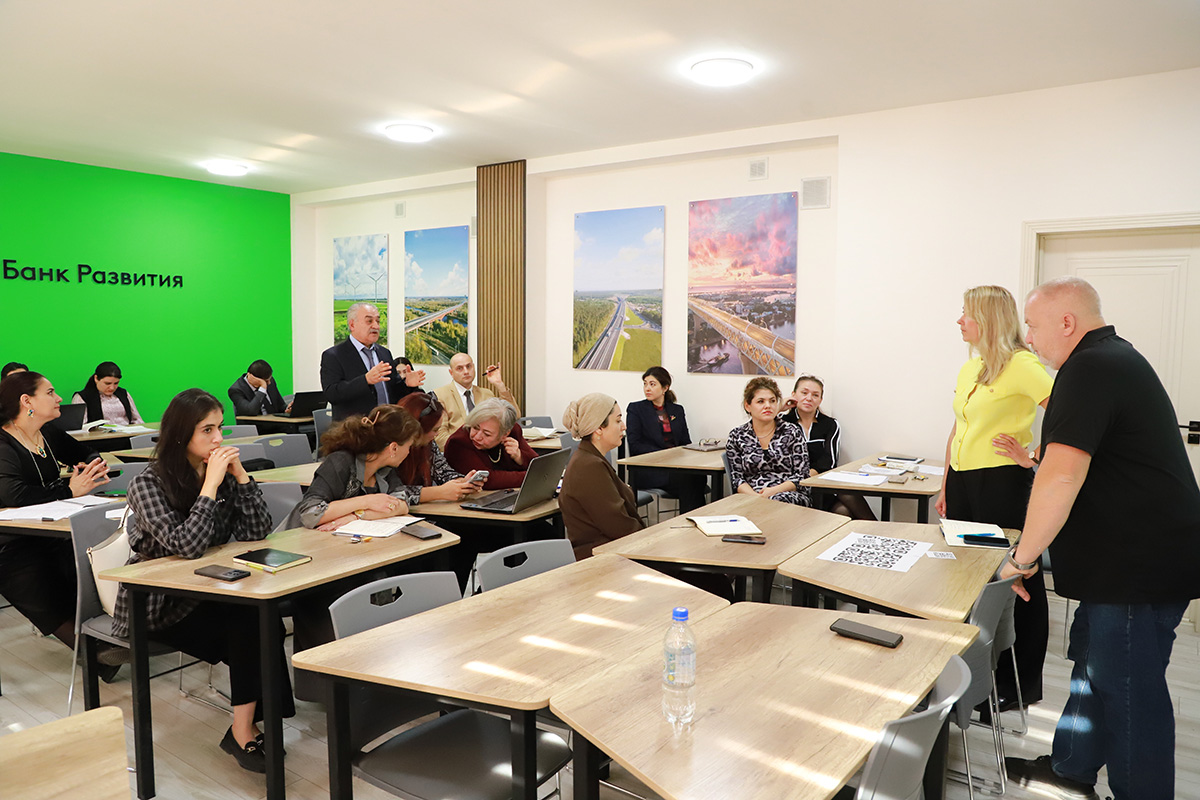
In the following days, the participants analyzed the tools of the project approach and learned to apply them. SPbPU experts shared their experience in replicating the FPA model at partner universities — the Russian-Armenian and Kyrgyz-Russian Slavic Universities. An important feature of all projects was taking into account the national and cultural specifics of the universities, which made it possible to effectively adapt SPbPU’s methodology.
The participants dedicated the final day of the course to developing a plan for implementing project activities at RTSU. Using a single template, teams of RTSU teachers and staff described the current state of project activities at the university, formulated implementation goals and benefits for various groups, compiled a stakeholder map, and answered key practical questions: how to integrate the course into the curriculum, in what format to conduct it, how to select, prepare, and motivate mentors, where to find project clients, how to involve students and make project results visible. The outcome of each team’s work was an aggregated plan for implementing the FPA.
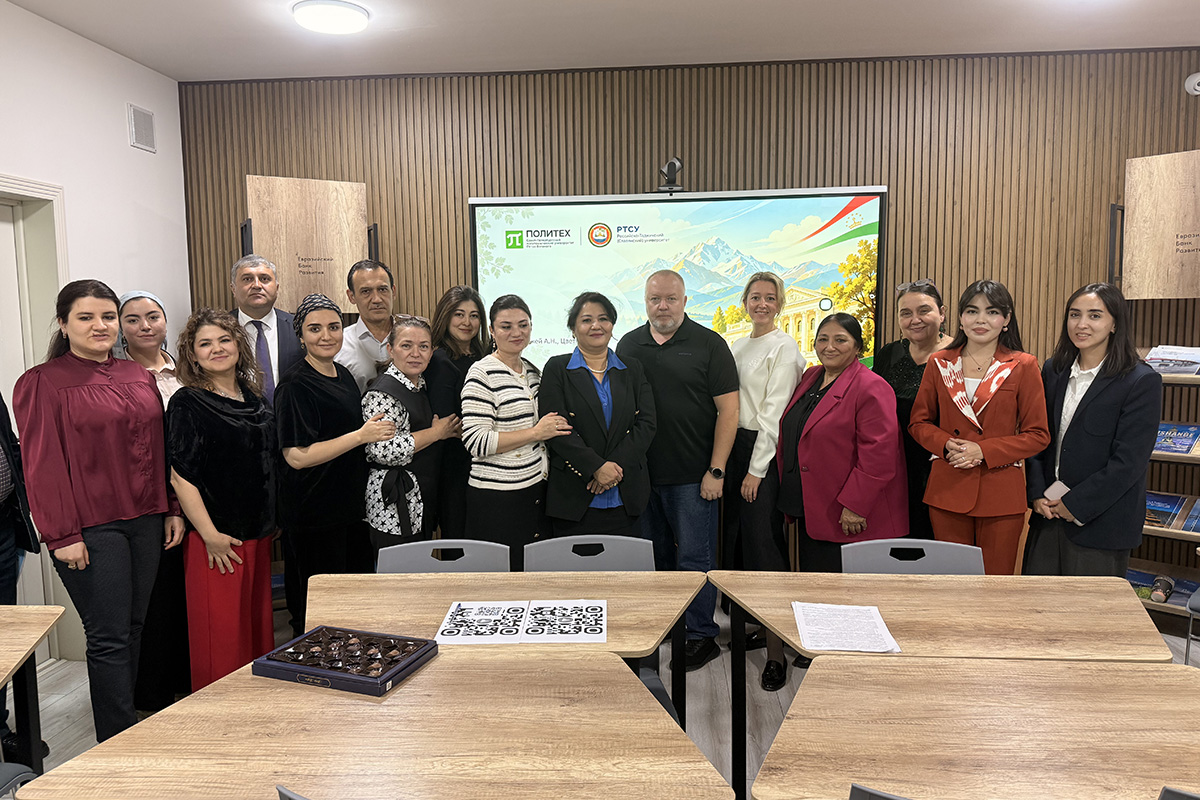
Following the course, a team of teachers and administrative staff is being formed at RTSU to ensure the further implementation of project activities in educational programs and the dissemination of successful practices at the university. The projects developed during the course will become the basis for deciding on the format of FPA implementation, preparing regulations on project activities, and forming the core of the course at RTSU. Polytechnic University will continue methodological support for the implementation.