
Polytechnic Student Anastasia Voevodina: “Don’t Be Afraid to Step Out of Your Comfort Zone”
Anastasia Voevodina, a 4th-year student at the Institute of Industrial Management, Economics and Trade, spent a semester on exchange at Tsinghua University. This university is a strategic partner of SPbPU and ranks among the top 15 universities in the world. She shared insights about life and studies in China.
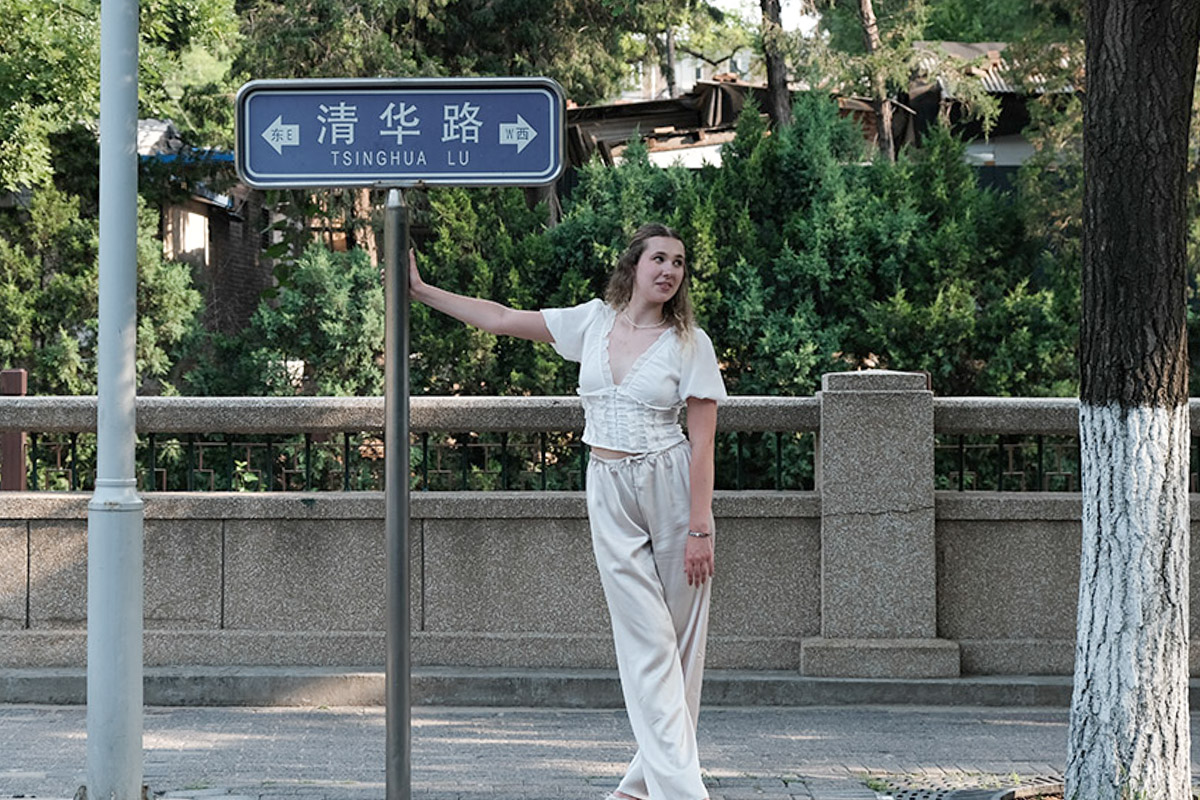
— Anastasia, how did you manage to get this unique opportunity to go on exchange to the best university in Asia?
— I started preparing long before it became a concrete goal. I have always been attracted to foreign languages and international culture. From my first year, I participated in the English Club, where we organized an international TED Talks-style conference and held case championships. I also engaged in research on international economics, which became my motivation for going to China. Simultaneously, I was actively involved in the university’s student union activities: I was an «adapter» (orientation leader), a mentor, and a member of the media department in the «Adapters» association. This work helped me develop communication, teamwork, and creative thinking skills.
— What surprised you the most upon arriving in China?
— I encountered an almost complete absence of English in daily life, even at the university. I had to learn Chinese quickly. It literally required mastering a new ecosystem for daily life: the local culture, internet, social norms, and behavioral rules. For example, the key communication tool became WeChat — it’s not just a messenger but an entire platform integrating banking services, navigation, marketplaces, and payments for everything from food to tickets.
— What was the most unusual aspect of the university?
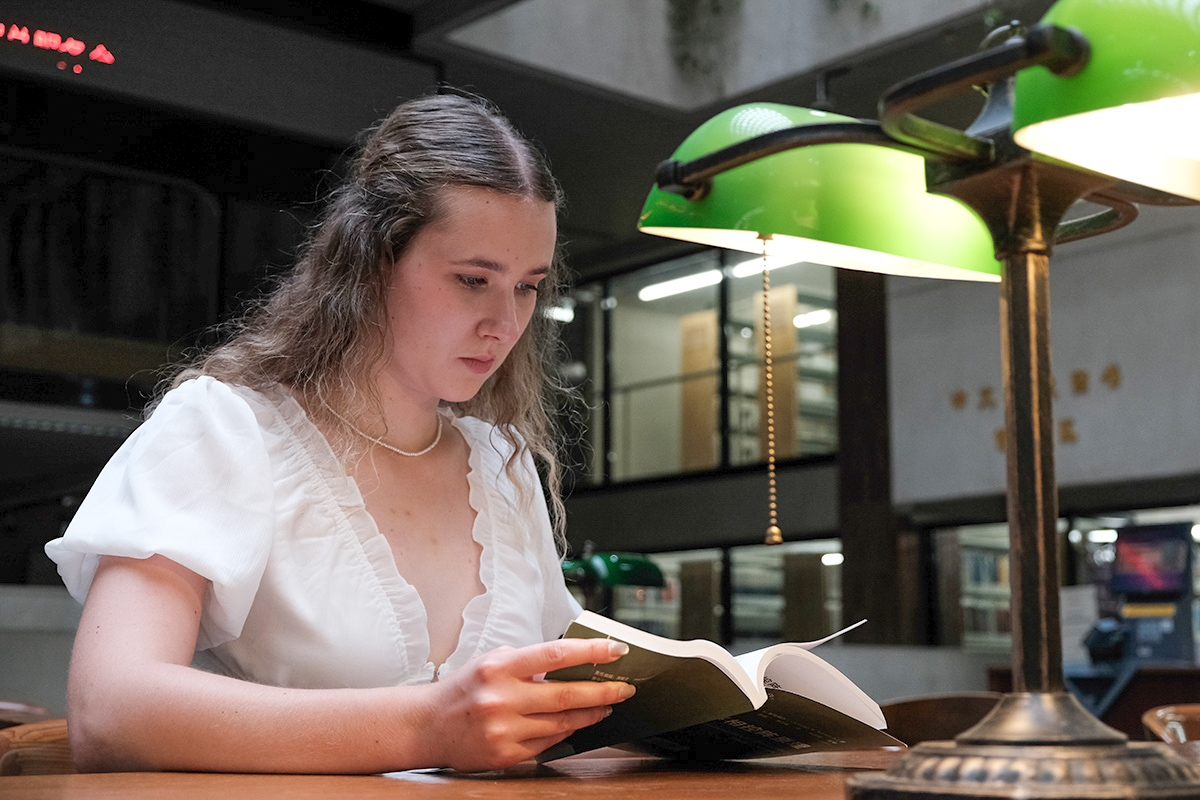
— The university campus is a true city within a city — five square kilometers with hundreds of dining halls, an ice palace, swimming pools, libraries, and even a simulation zone for skiers. It also houses five enormous libraries, which are replenished monthly with international scientific journals, modern laboratories, cafes, shops, pharmacies, barbershops, and other services. Everything needed for life is there; one could stay within the campus for weeks without leaving.
— How is the academic process organized at Tsinghua?
— It’s quite different from ours. The semester begins with course selection, followed by lectures, but the main workload consists of homework and self-study. The university actively collaborates with leading companies, and we had the opportunity to visit the offices of Intel, Meituan, and the Asian Infrastructure Investment Bank and attend lectures by renowned speakers — this motivated us to think globally.
— How did you get along with other students?
— Tsinghua has a huge international community — about 2,500 foreign students. I became friends with people from different countries. It was more challenging with Chinese students due to the language barrier, but I managed to establish several contacts — this was a very valuable experience.
— Tell us about daily life outside of studies.
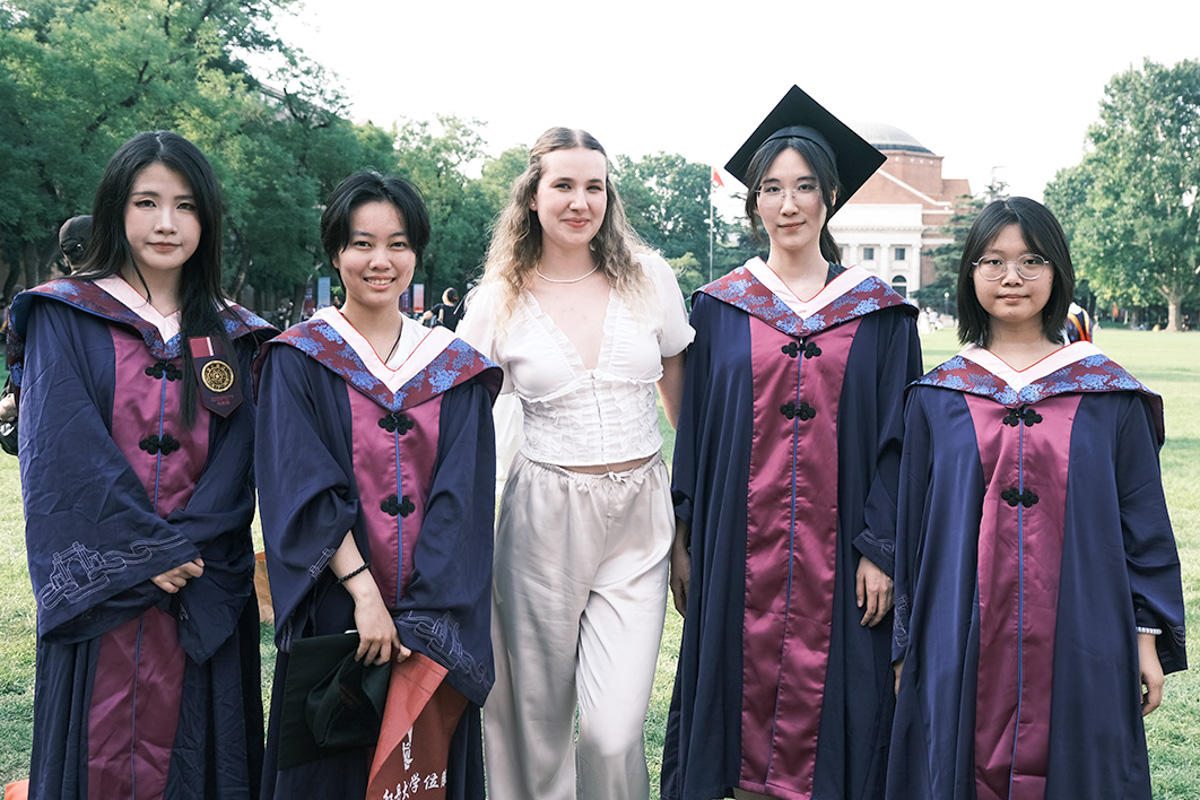
— I lived in a dormitory with a German girl. I ate at campus cafeterias—the choice was huge, and prices were affordable. I got around by bicycle — the campus has an excellent bike-sharing system. Often after classes, I would go to the library for additional independent work. It felt like there were more than 24 hours in a day because everything necessary was within a five-minute bike ride, allowing me to get an incredible amount done.
— What did you do in your free time?
— Tsinghua University is a true paradise for new hobbies and self-development: over 150 interest clubs. I joined the Association of Russian Students, the Foreign Language Club, and became part of the organizing committee for the Initiative Association, where we worked on holding international conferences. I also tried fencing, figure skating, and rock climbing but ultimately settled on tennis, which I started playing at a semi-professional level.
— What skills did you acquire during your studies in China?
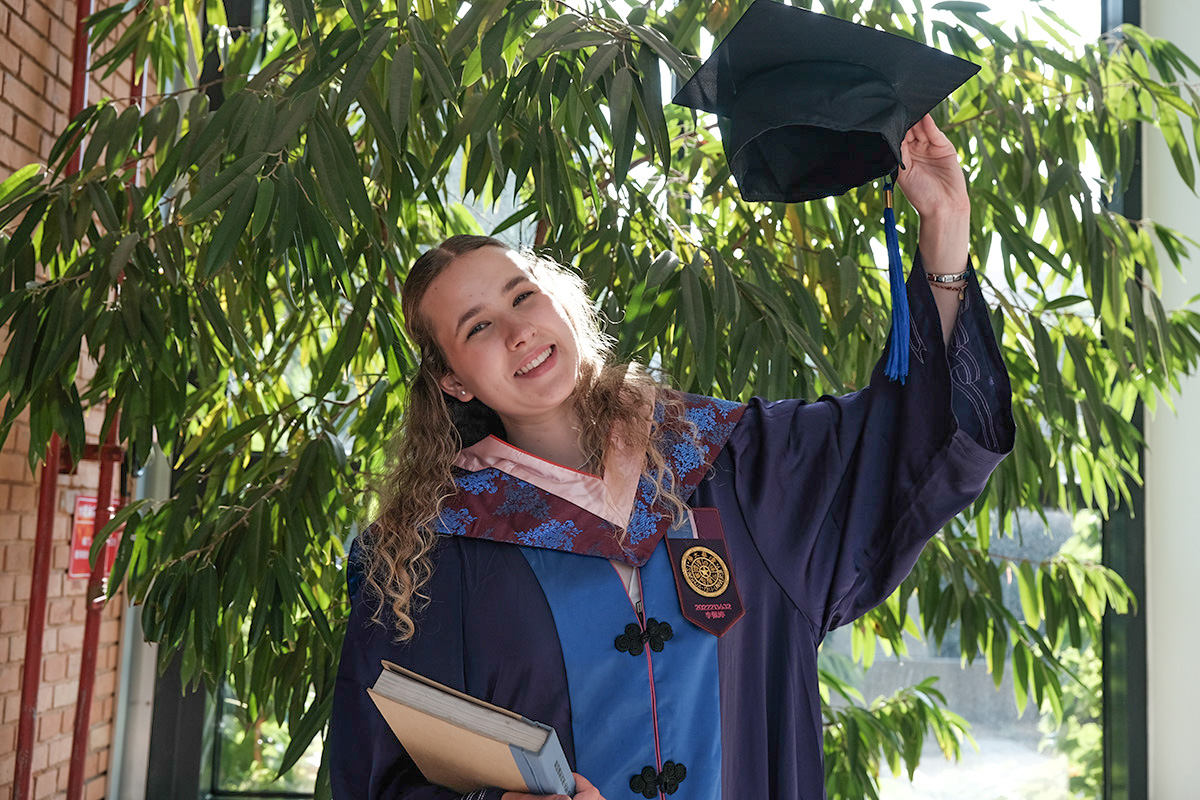
— In terms of professional development, studying in China allowed me to significantly deepen my skills in analytical data work in English and greatly improve my spoken English. Furthermore, I observed fundamental differences in educational approaches: the Chinese system amazed me with its pace and discipline — students there literally study at 2x speed and dedicate a significant portion of their time to self-study. This experience taught me to work under high pressure, quickly absorb large volumes of information, and be more disciplined. I also developed intercultural communication skills, became more independent and adaptable.
— What advice would you give to Polytechnic students who want to go on an exchange program?
— Don’t be afraid to step out of your comfort zone, prepare in advance, keep an eye on deadlines, and definitely improve your English. And remember, the university’s International Department is always there to help and support you.