
SPbPU Presented the Results of RAFU Coordination at the Meeting of the Interdepartmental Commission on Africa
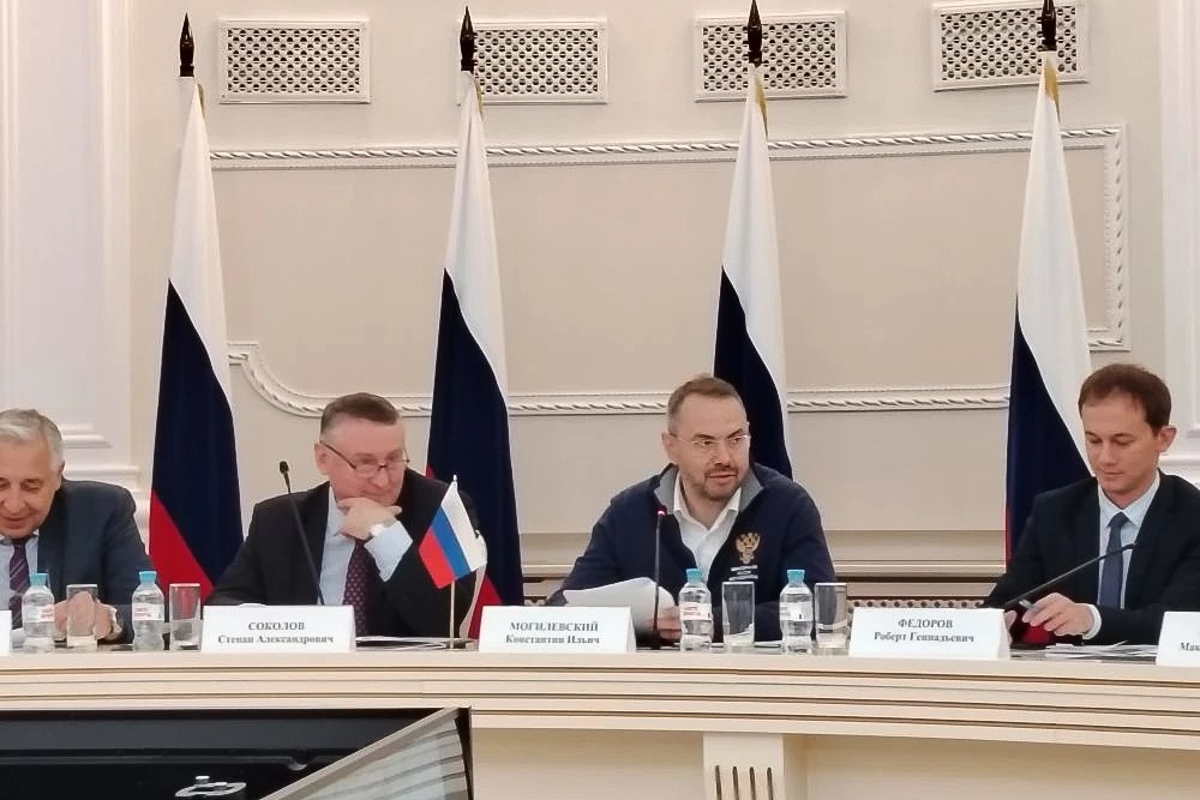
An expanded meeting of the Interdepartmental Working Group on Cooperation with African Countries was held at the Ministry of Science and Higher Education of the Russian Federation, chaired by Deputy Minister of Science and Higher Education of the Russian Federation Konstantin Mogilevsky. The members of the working group summed up the results of the first half of 2026 and discussed issues related to the preparation of the third Russia—Africa Summit, which will take place in October 2026 in Moscow.
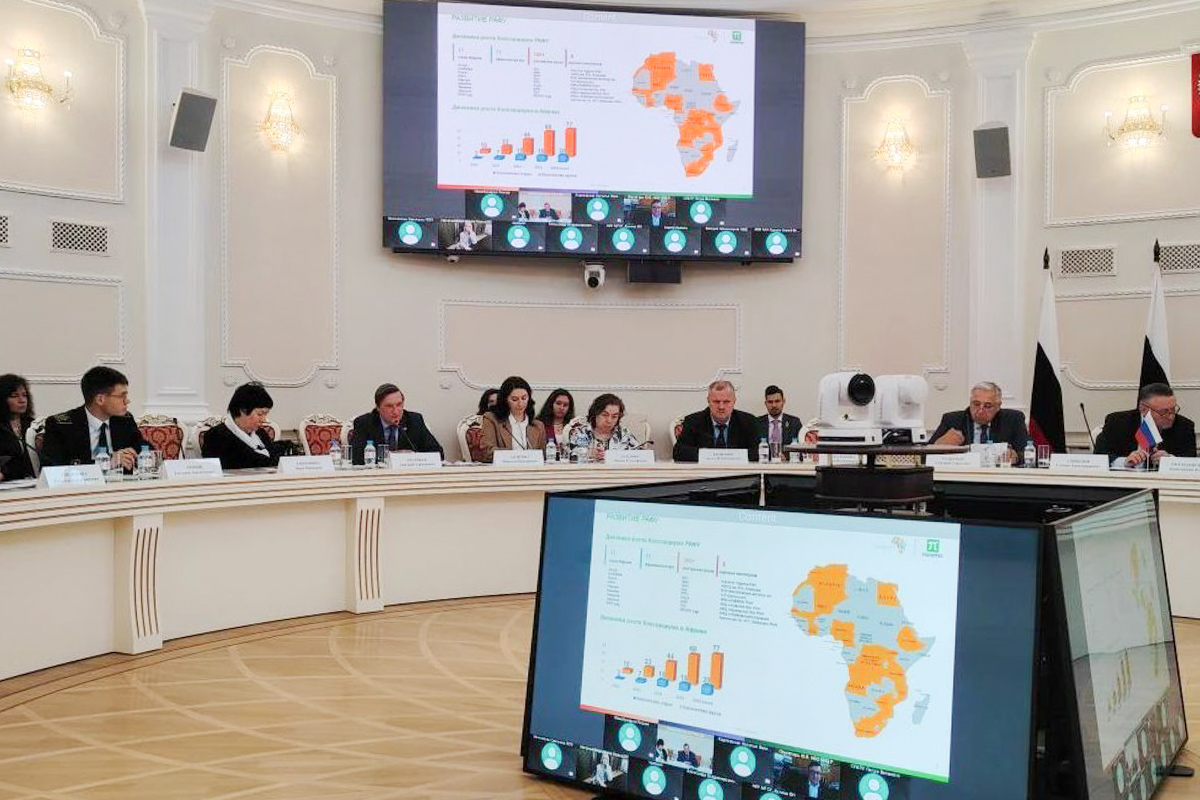
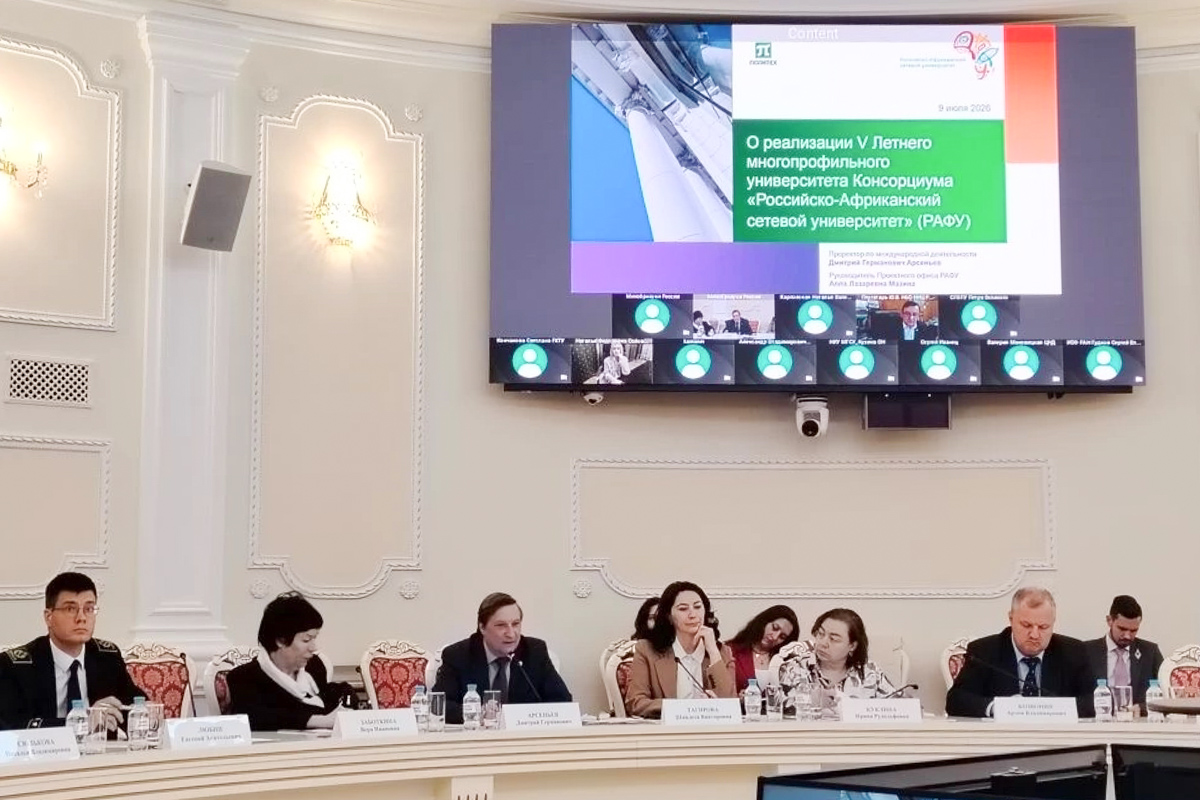
The first speaker was Dmitry Arseniev, Vice-Rector for International Affairs of Peter the Great St. Petersburg Polytechnic University, who presented a report on the activities of the «Russian-African Network University» (RAFU) consortium.
In his speech, Dmitry Arseniev noted that to date, the RAFU consortium includes more than 70 African universities from 17 countries, as well as over 100 Russian universities and 6 research centers. The geography of participants is constantly expanding.
Special attention was paid to the V Summer Multidisciplinary University (SMU) 2026. For the first time, the program has been transferred to a new format: participants come directly from Africa, rather than from among students already studying in Russia. Ten focus countries have been identified (Algeria, Burkina Faso, Guinea, Egypt, Morocco, Namibia, Niger, Tanzania, CAR, South Africa), for which 19 educational programs have been developed in four areas: engineering and energy, medicine, agriculture, and sustainable development.
Dmitry Arseniev also reported on the second flagship project — the modernization of higher education in the Republic of Mali. By instruction of the Ministry of Science and Higher Education of Russia and at the request of the Malian ministry, leading Russian universities of RAFU are providing assistance in reforming the system, including the creation of the Bandiagara Polytechnic University and the development of the National Center for Artificial Intelligence. Within the framework of the SMU for Mali, 8 targeted programs have already been launched — from professional development in renewable energy to a six-month professional retraining program in robotics and AI.
The other speakers presented a wide range of initiatives: from humanitarian and educational projects to applied programs and scientific research. A common theme was the aspiration for comprehensive, systemic interaction — based on historical memory, personnel training, joint developments, and economic partnerships with African countries. The importance of systematic work on the historical assessment of the consequences of colonialism and the slave trade was particularly emphasized.
All proposals from the participants will be summarized and presented for the October Russia—Africa Summit, and work on the systemic integration of educational and scientific initiatives will continue with the active participation of Russian universities and research centers.