
The 3rd Summit of Slavic Universities was held at SPbPU "Slavic Horizon-2025"
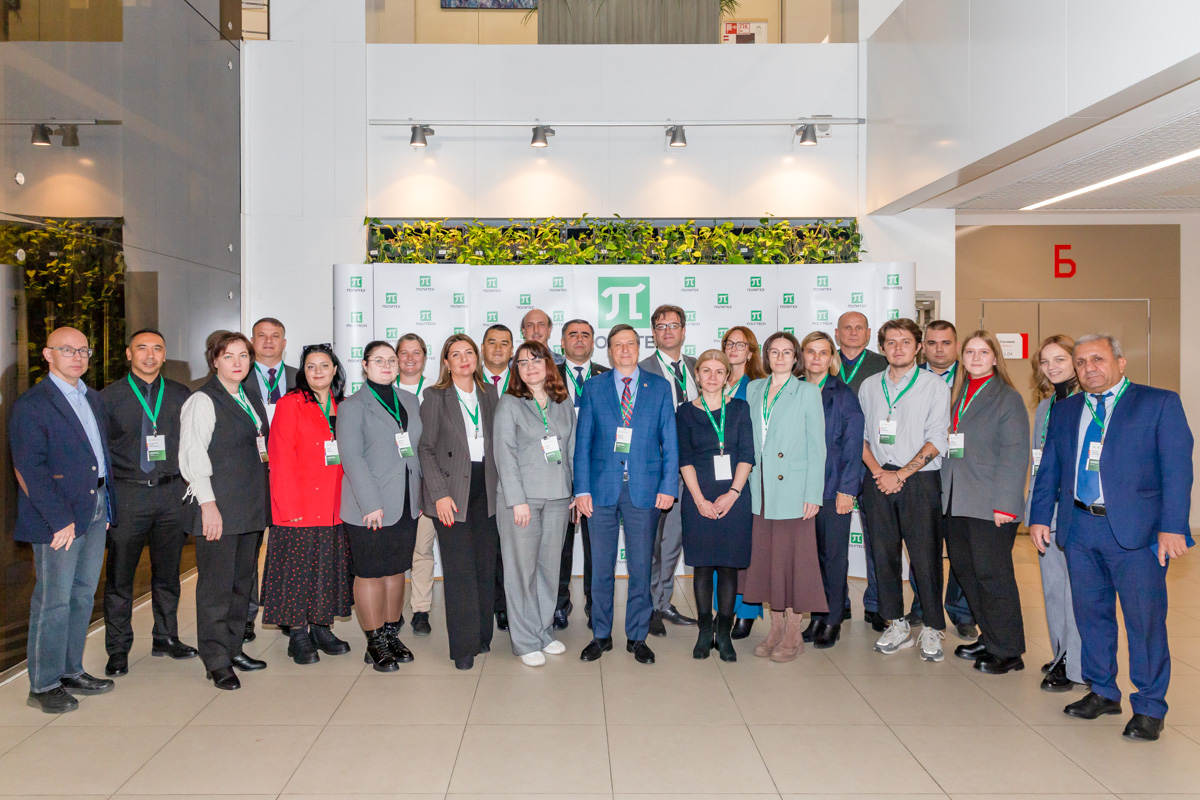
Peter the Great St. Petersburg Polytechnic University hosted the 3rd Summit of Slavic Universities «Slavic Horizon 2025». The event brought together representatives of the Ministry of Science and Higher Education of the Russian Federation, heads and staff of four Slavic universities from Armenia, Belarus, Kyrgyzstan and Tajikistan, as well as RUDN University and RSUH. During the discussion, the participants not only summed up the results of many years of cooperation, but also formulated concrete steps to create a deeply integrated consortium.
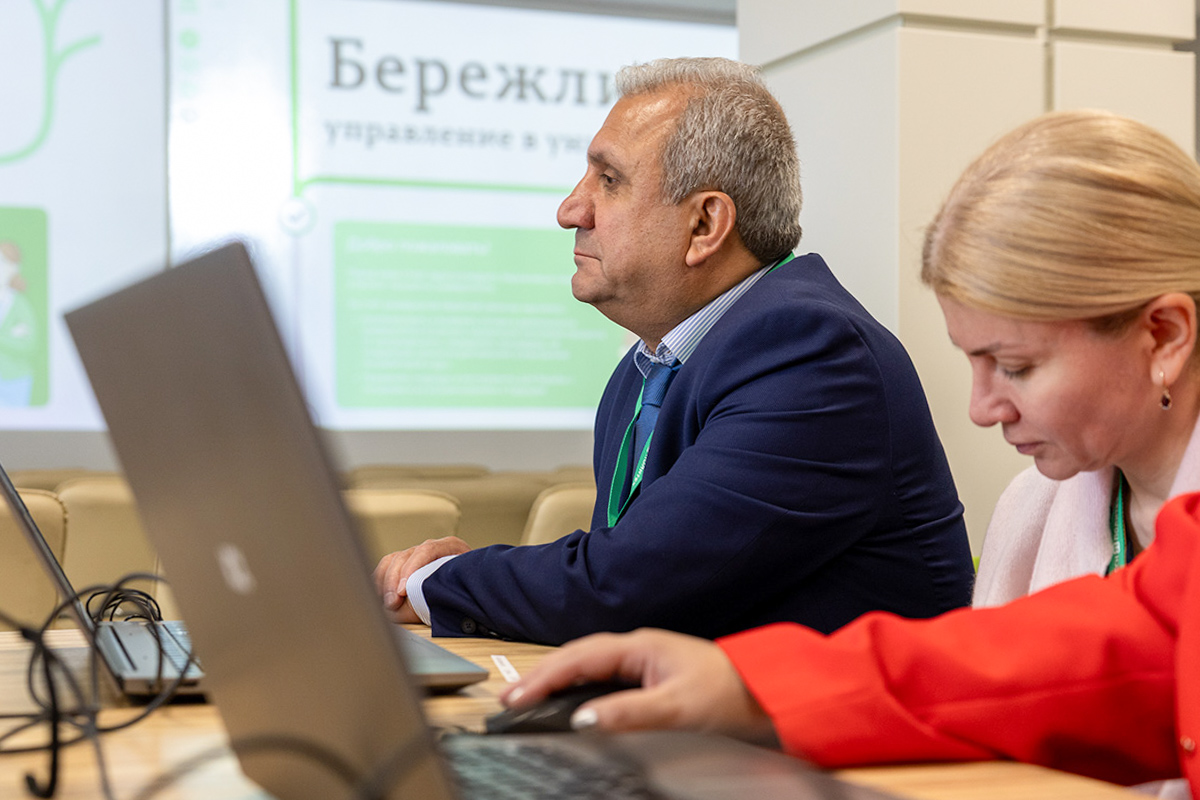
The practical part of the first day of the summit was a unique master class on the computer simulator «Economical office at a university». The simulator is a powerful tool that helps prepare management teams. In three hours, the Summit participants «lived the small life of a university» in a virtual environment where every mistake is an insight, and every decision is a step towards development.
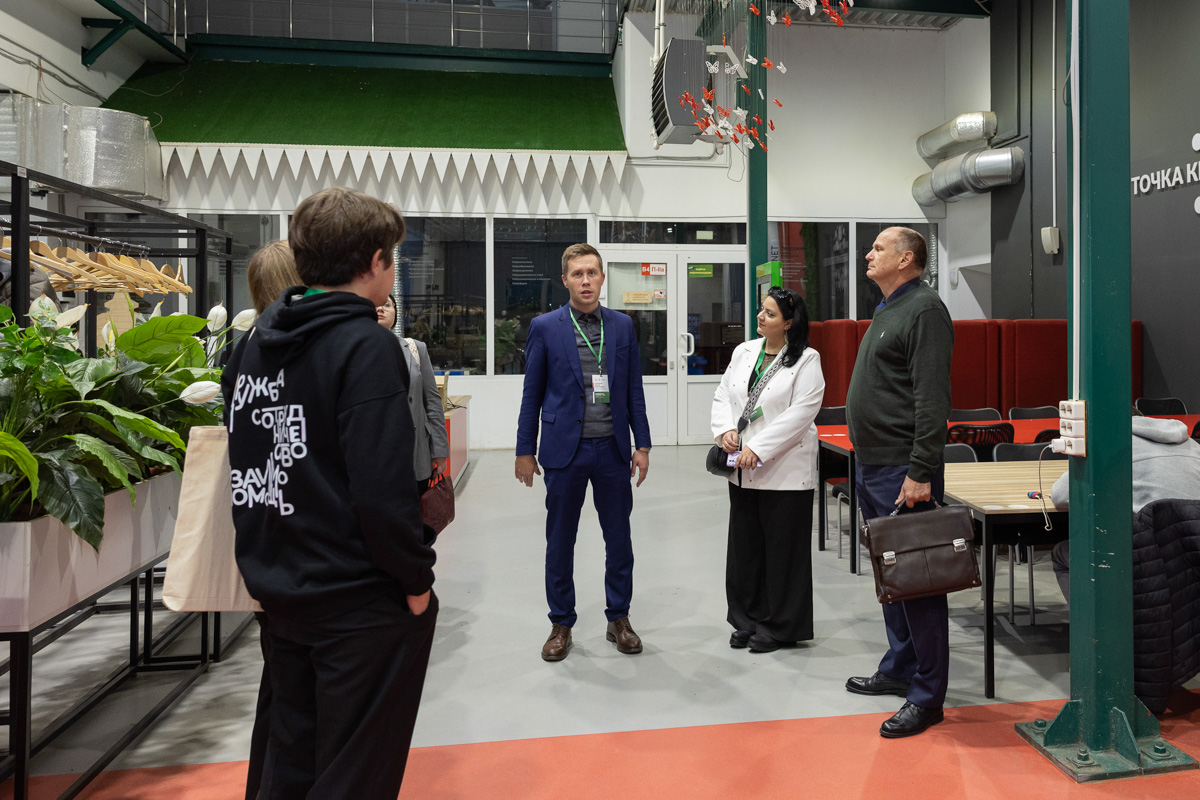
The discussion of youth policy and student initiatives has shown that this block is a powerful integration tool. Within the framework of joint youth events, it was proposed to go beyond one-time visits and organize field summer and winter schools, where students from several universities could come to one of the Slavic universities. Among the specific initiatives were the creation of a youth camp at one of the national universities and the holding of the Universiade of Slavic Universities at the RAU with the invitation of all partners. It was also proposed to develop student groups by reviving the practice of organizing work semesters, when students from different countries work together at Russian or national enterprises by analogy with construction teams.
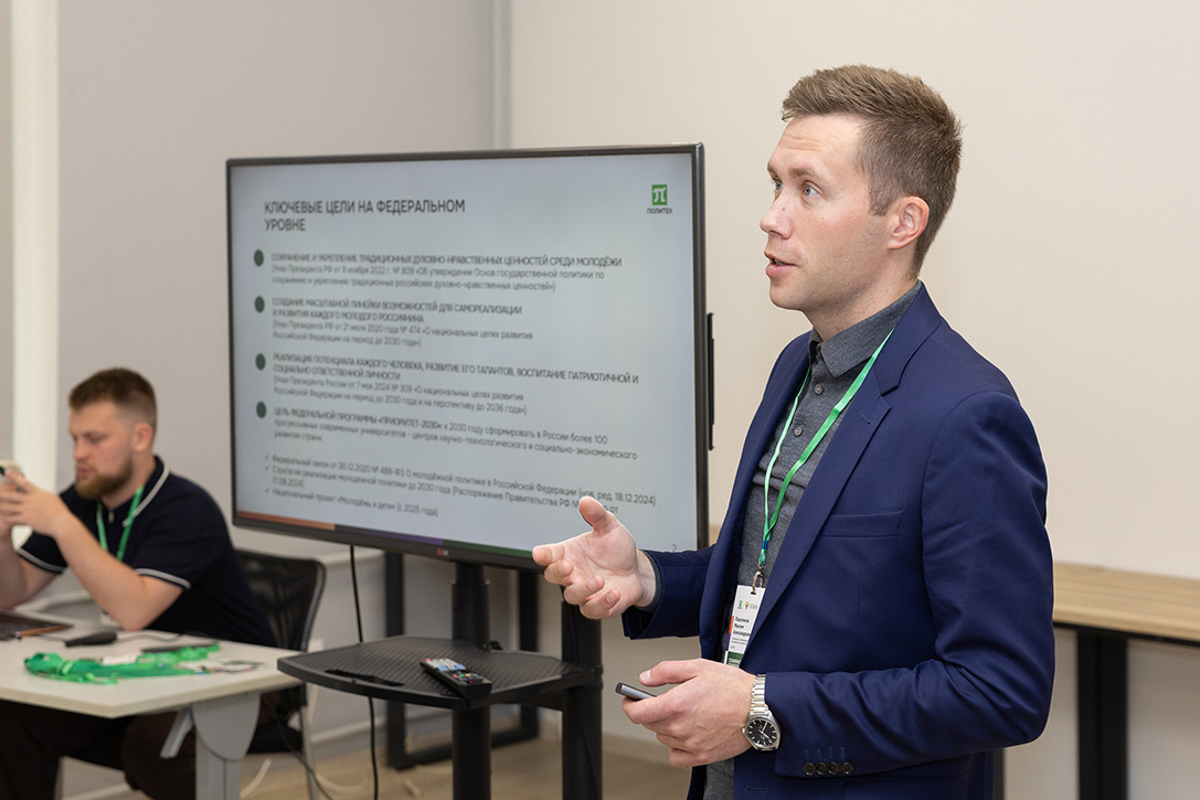
Maxim Pasholikov, Vice-Rector for communications, youth policy and security, presented to colleagues from Slavic universities the system of organizing youth and student activities implemented at Polytechnic University and spoke about our university’s approaches to creating an environment for the development of student initiatives, supporting talents and ensuring youth involvement in university life.
At the Education session within the framework of the Summit, an exchange of practices took place between representatives of Russia, Armenia, Belarus, Kyrgyzstan and Tajikistan. The main focus was on the transformation of the educational policy of universities in the context of modern challenges and the movement towards technological leadership. The participants discussed the need to restructure the higher education system, combining the best elements of the Soviet system and the positive experience of the Bologna process. Special emphasis was placed on the transition to single-track education, which provides self-sufficient training of specialists without the need to complete their master’s degree, which is especially important for engineering areas.
An important topic of discussion was the introduction of the Student Individual Achievement System (SIA) in the assessment of educational outcomes. Approaches to the development of a digital portfolio of students were discussed, which will allow recording and evaluating the diverse achievements and competencies of students. The issues of increasing the flexibility of educational programs and their adaptation to the rapidly changing demands of the labor market, including the integration of digital competencies and artificial intelligence, were also discussed.
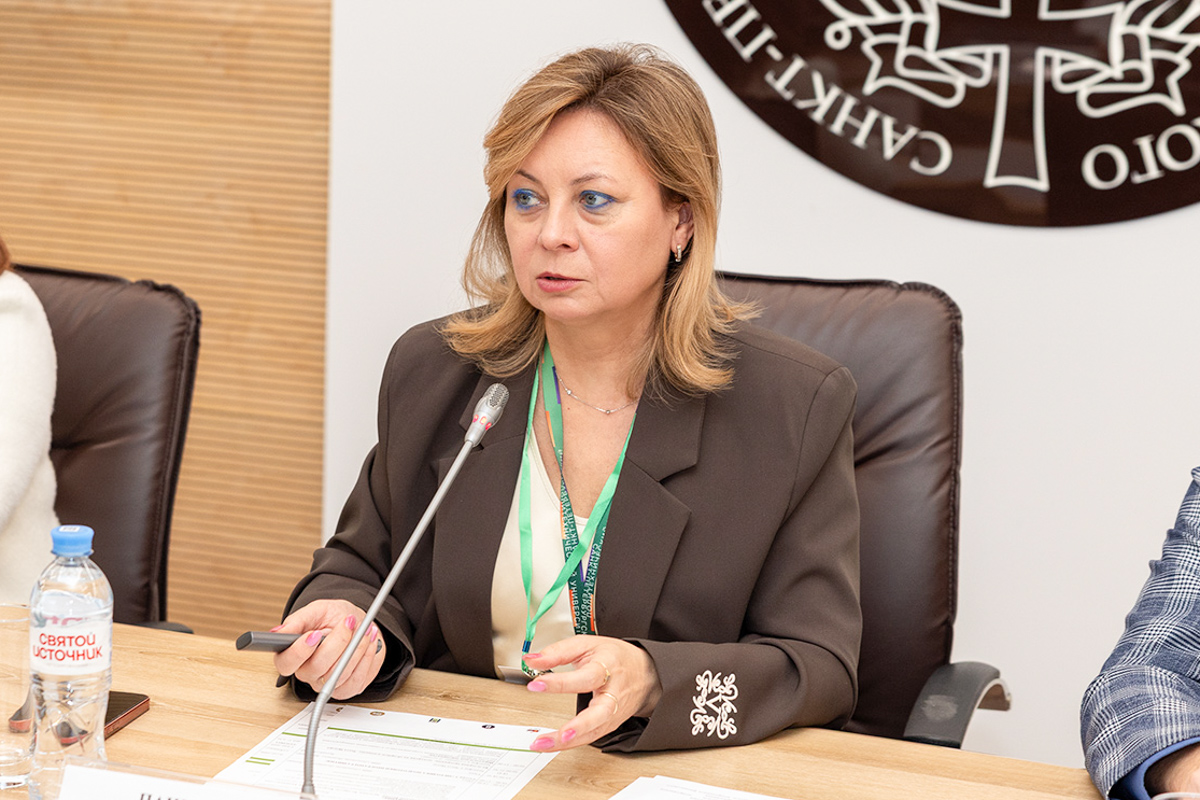
At the Summit, the participants paid great attention to the practice-oriented learning and networking between universities. Colleagues from Slavic universities discussed the possibilities of joint development and implementation of educational modules, which allows combining competencies and enhancing the synergetic effect. The session also addressed issues of strengthening the position of the Russian language and preserving the common historical and cultural heritage through joint educational and awareness-raising projects. The participants expressed their willingness to continue cooperation, replicate successful practices and work together on projects aimed at modernizing the educational process.
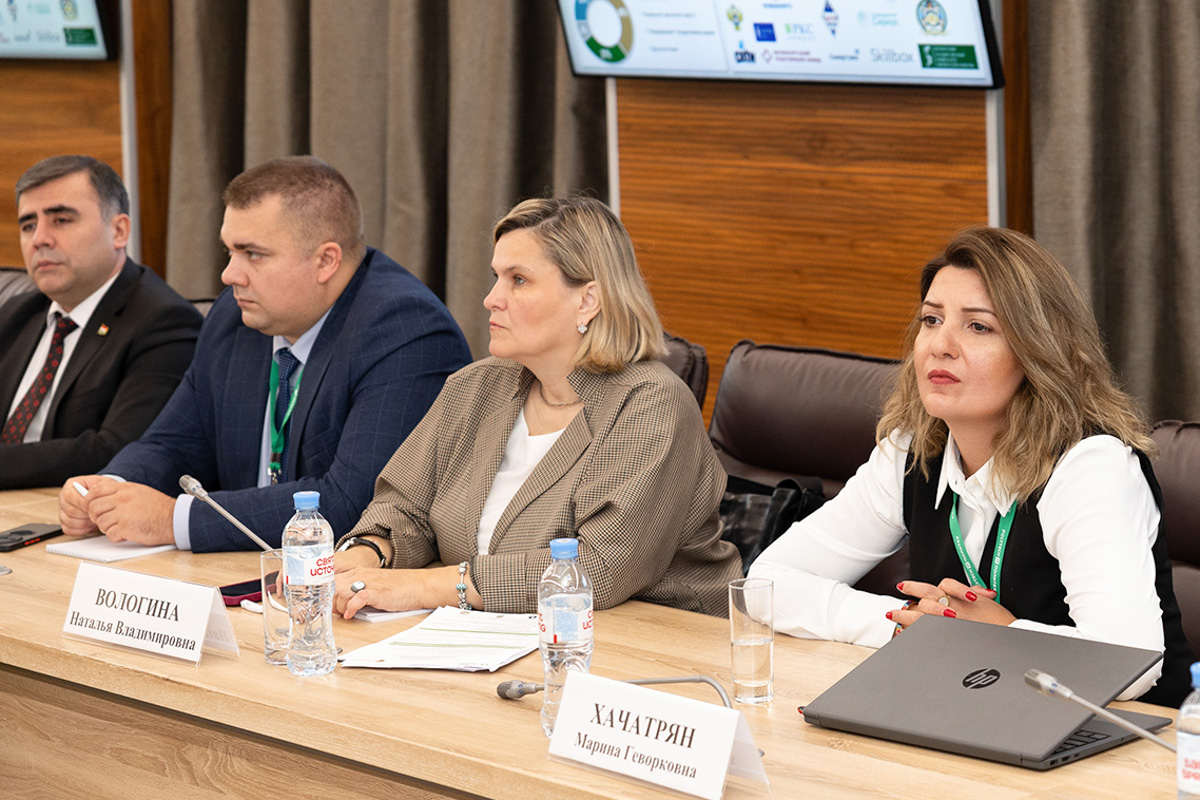
The meeting resulted in an understanding that cooperation has reached a new level, from establishing bilateral contacts to creating a unified educational and scientific space.