
The first graduates of the joint program between Peter the Great St. Petersburg Polytechnic University and Harbin Engineering University have defended their theses in the “Industrial Artificial Intelligence” specialization
At Peter the Great St. Petersburg Polytechnic University, the final qualifying work defenses took place for students of the first joint educational program with Harbin Engineering University (China) in the field of «Management in Technical Systems,» with a specialization in «Industrial Artificial Intelligence.»
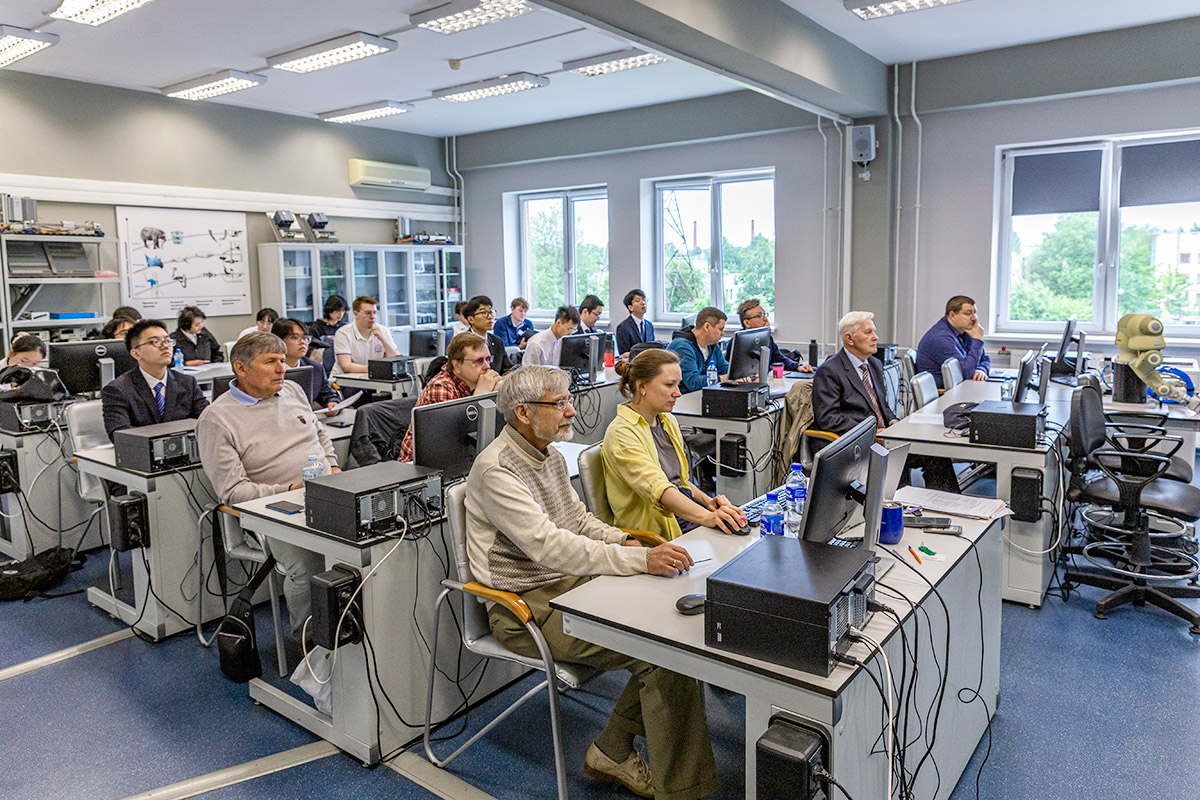
The international program is implemented in a 2+2 format: students study at Harbin Engineering University for the first and second years, and at Peter the Great St. Petersburg Polytechnic University in Russian for the third and fourth years.
The defenses were held at the Higher School of Cyberphysical Systems & Control, Institute of Computer Science and Cybersecurity, Peter the Great St. Petersburg Polytechnic University. The students presented projects in the field of applying neural networks for diagnosing faults in industrial equipment, developing digital twins of production processes, and creating Industrial Internet of Things (IIoT) platforms with predictive analytics elements.
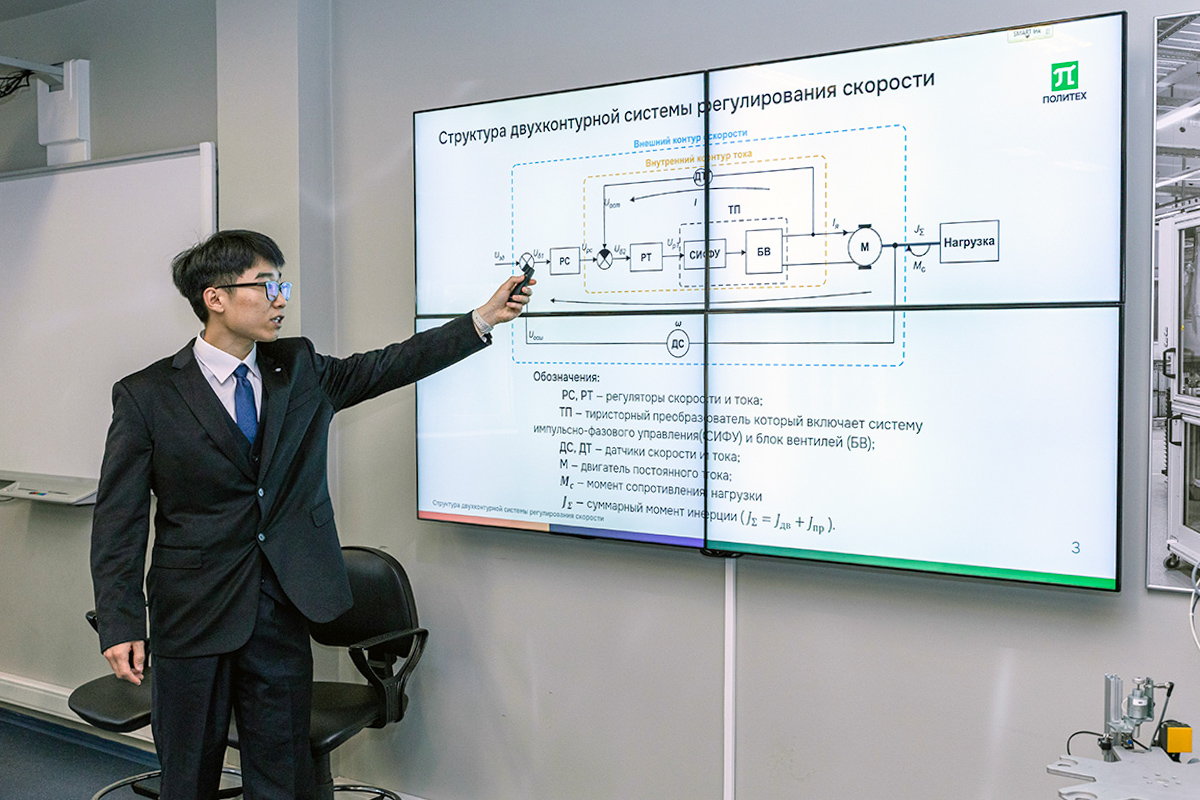
The graduates themselves shared their impressions of their studies. Guan Haoyuan noted: «Here at Polytechnic University, we were given extensive opportunities to work with equipment — uploading our own code, testing device operation, and independently managing processes. This allowed us to truly immerse ourselves in engineering challenges.» Li Hongyu said that studying technical disciplines in Russian was initially difficult: «During the first lecture, I understood almost nothing, but I tried to sit in the front row to hear the lecturer better. Each month, the language barrier lessened, and now I feel confident.» Guan Tianyi shared: «I was surprised that here, each lecture is accompanied by a practical session. It helps to immediately apply the theory and better retain the material.» Wang Ziyi, who has already received an invitation for a manager position at Huawei’s Russian office, emphasized: «Many people know English and Chinese, but Russian provides an additional advantage. I want to become a bridge between our countries, and this program gave me the technical and language skills necessary for an international career.» Some students have already found interesting jobs thanks to the program; the rest will continue their studies in master’s programs, with the majority doing so in Russia. They advise future program students not to be afraid of everyday challenges and to actively communicate with their Russian peers: «Spend time with your classmates, relax, and improve your language skills — it doesn’t interfere with your studies, it helps,» adds Guan Haoyuan.
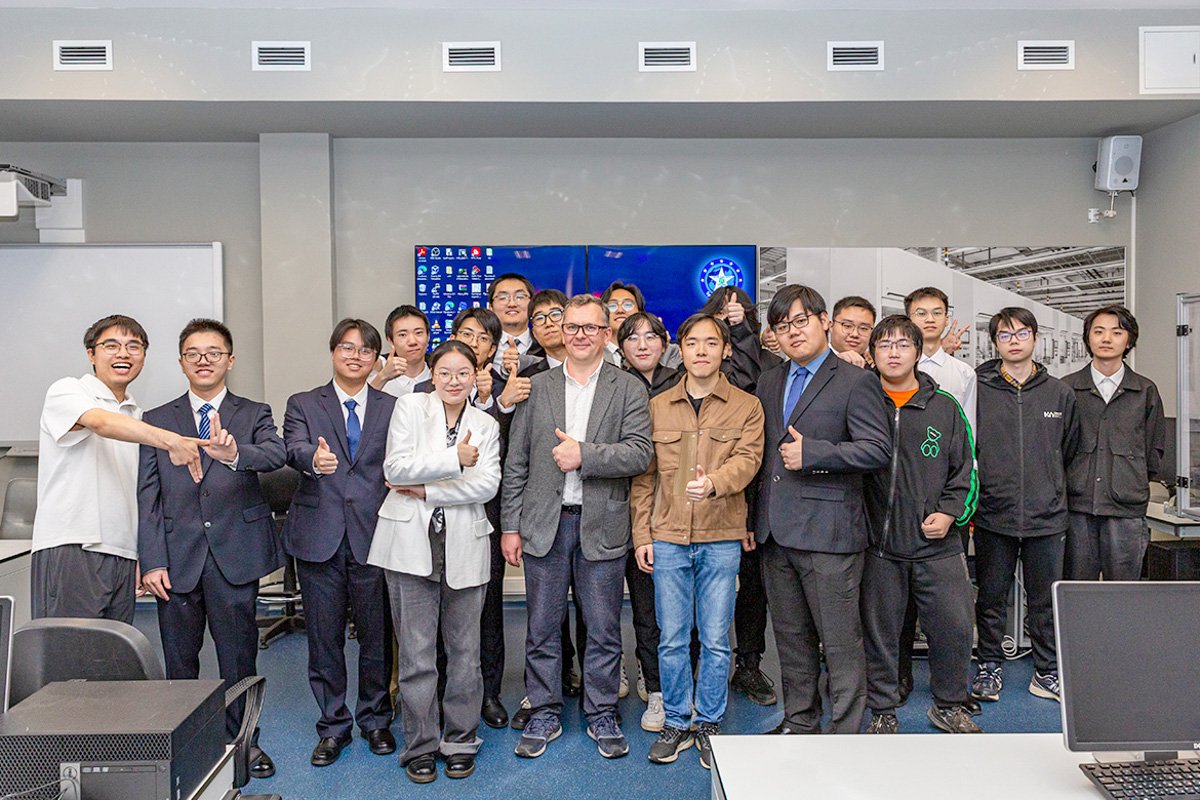
The program fully aligns with the priorities of the national program «Digital Economy of the Russian Federation» and cross-cutting digital technologies, including neurotechnologies and artificial intelligence, new production technologies, robotics components, and sensorics. Graduates of the program are in high demand at major Russian and Chinese companies for work on joint projects.
The first bachelor’s graduation from the «Industrial Artificial Intelligence» program has become an important milestone in the development of Russian-Chinese educational cooperation and has confirmed the demand for bilateral engineering programs.