
SPbPU has developed an innovative technology based on microalgae for carbon dioxide utilization and biohydrogen production
The Institute of Civil Engineering has developed an innovative technology based on microalgae that allows for the simultaneous utilization of carbon dioxide from industrial emissions and the production of biohydrogen, a promising fuel. The results of the study have been published in the International Journal of Hydrogen Energy.
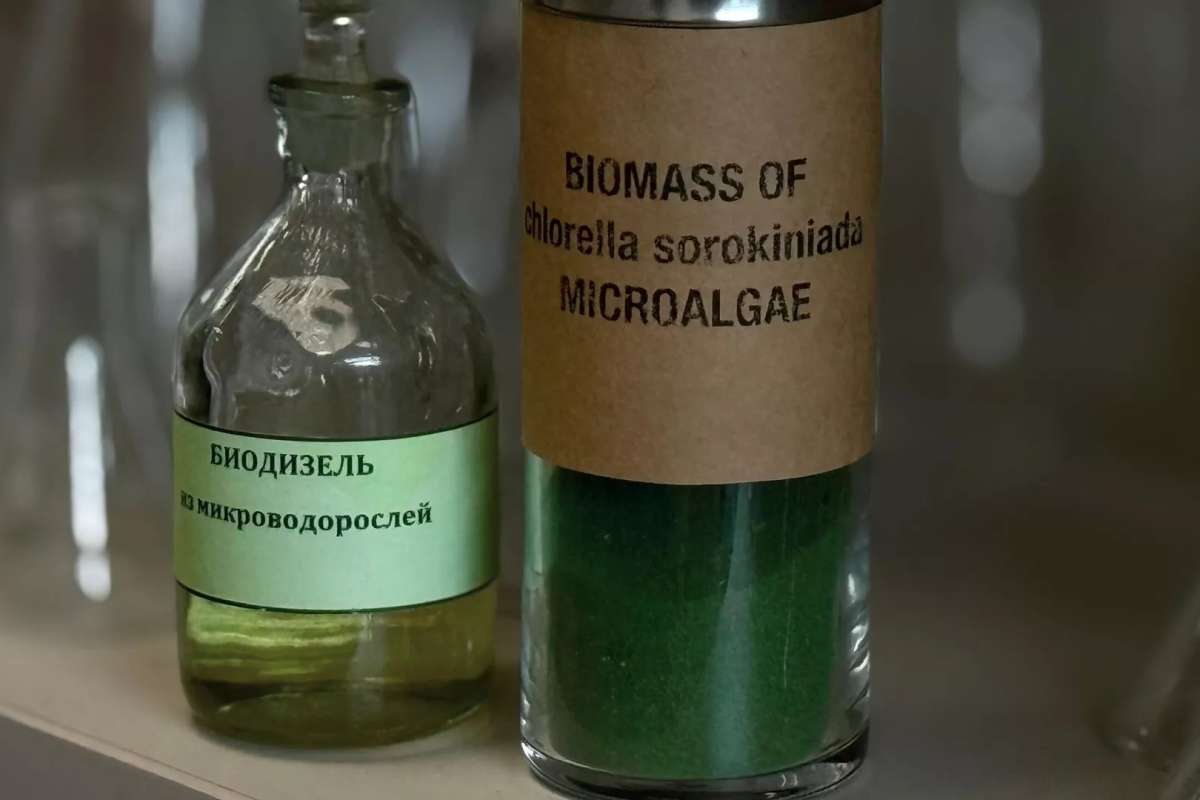
The technology involves the use of bioponds, where microalgae absorb carbon dioxide, forming biomass, which is then subjected to dark fermentation to produce biohydrogen. The development was carried out by employees of the Civil Engineering Institute under the guidance of Professor Natalya Politaeva of the Higher School of Hydrotechnical and Energy Construction.
Biohydrogen can be used to generate electricity, heat, in fuel cells, and as an alternative fuel for transport. The introduction of this technology is particularly relevant for coal-fired power plants, which are the largest sources of carbon dioxide emissions. The use of this system not only reduces emission penalties but also increases the energy efficiency of enterprises by 20–30%.

The advantage of the technology lies in its comprehensive approach: it combines three key functions — carbon dioxide capture, biomass processing, and hydrogen production. This makes the system unique in terms of its closed-loop design and environmental sustainability.
At this stage, scientists plan to implement a pilot project to introduce the technology at an industrial facility, adapt it to different climatic conditions, and expand the scheme by treating wastewater and extracting high value-added bioproducts.