
Polytechnic University and KRSU Expand Cooperation in Sports and Engineering Education
A delegation of SPbPU visited the B. N. Yeltsin Kyrgyz-Russian Slavic University in Bishkek. The visit combined two areas of cooperation: the development of student sports, including the establishment of a chess club at KRSU under the auspices of Polytechnic University, and the discussion of a joint roadmap amid the large-scale transformation of the university.
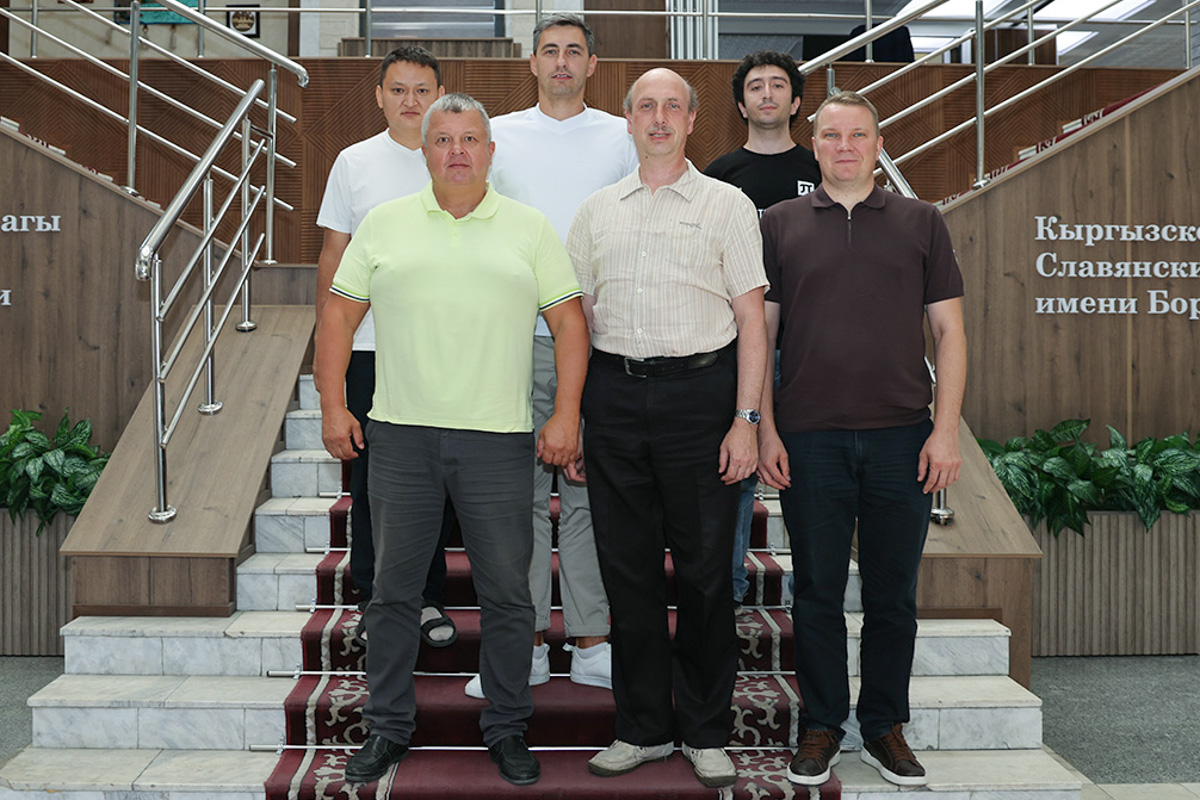
One of the main topics of discussion was the development of chess. Representatives of SPbPU held working meetings with KRSU Vice-Rector for Youth and Information Policy Sergei Kulikov, heads of the sports department, and coaches. The parties agreed to establish a chess club that will develop with methodological and organisational support from Polytechnic University. The club will become not only a training ground for the KRSU national team, which has already become a gold medallist of the Kyrgyzstan Universiade, but also a space for mass student sports, intellectual leisure, and career guidance for schoolchildren.
The universities agreed on a preliminary calendar of joint events for the academic year. In autumn, it is planned to hold the 2nd International Chess Tournament in memory of Mikhail Vasilyevich Frunze, a friendly online match between the SPbPU and KRSU national teams, as well as master classes for students and schoolchildren. In the future, the chess club may acquire its own branded space, combining the history of chess, the traditions of the Russian and Kyrgyz chess movements, as well as the partnership between KRSU and Polytechnic University.
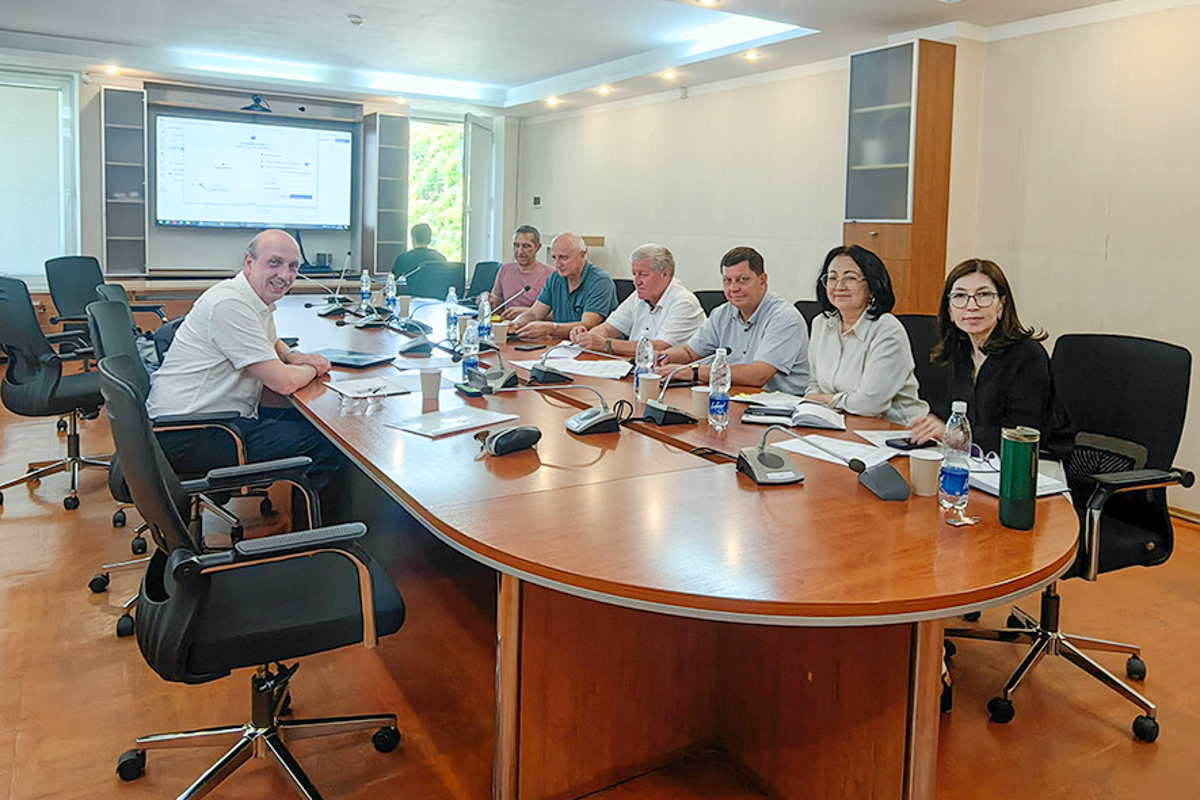
The second part of the visit was related to KRSU’s development programme and the implementation of a joint roadmap within the framework of the “Slavic Universities” project. Nikita Golovin held working meetings with the leadership and relevant departments of KRSU. The discussions focused on the status of joint projects between SPbPU and KRSU, the results of the current year, plans until the end of 2026, and prospects for 2027.
Among the key areas of the roadmap are the launch, from 1 September 2026, of joint master’s programmes in “Software Engineering” and “Civil Engineering”, the organisation of training for 40 KRSU students at Polytechnic University in the autumn semester, internships and professional development programmes for KRSU teaching and research staff, the establishment of joint laboratories, and the development of applied research projects.
The negotiations took place against the backdrop of KRSU’s restructuring: from 1 September 2026, the university is transitioning from a faculty-based model to larger institutes. The ETF and FADiS are merging into the Polytechnic Institute; the Medical Faculty is being transformed into the Institute of Clinical Medicine and Biomedical Technologies; the Humanities, Law, Economics, and International Relations faculties are forming the Socio-Humanitarian Institute; and the Institute of the Russian Language and specialised departments of the Humanities Faculty will become part of the L. S. Vygotsky Academy of Education.
Of particular importance to SPbPU is the establishment of the KRSU Polytechnic Institute, which will concentrate engineering, architectural, construction, digital, and technological disciplines. This structure will make it possible to more precisely build joint programmes, project-based learning, academic mobility, professional development, and the work of joint laboratories.
The universities confirmed the relevance of joint projects, their significance for the development of engineering education at KRSU, and the partnership with Polytechnic University. It was particularly noted that KRSU’s new institute model creates additional opportunities for the implementation of the SPbPU—KRSU roadmap within the framework of the “Slavic Universities” project.
The working visit showed that the partnership between the universities is developing in several directions at once. Alongside engineering education, joint programmes, laboratories, and academic mobility, student sports are becoming increasingly significant — as part of the university environment, humanitarian interaction, and educational work.