
Eastern New Year with Polytech
A large-scale city celebration of the Eastern New Year took place at the historical multimedia park «Russia — My History.» The event brought together representatives from national-cultural associations, educational organizations, and creative groups. Peter the Great St. Petersburg Polytechnic University acted as a partner and co-organizer of the event alongside the St. Petersburg House of Nationalities.
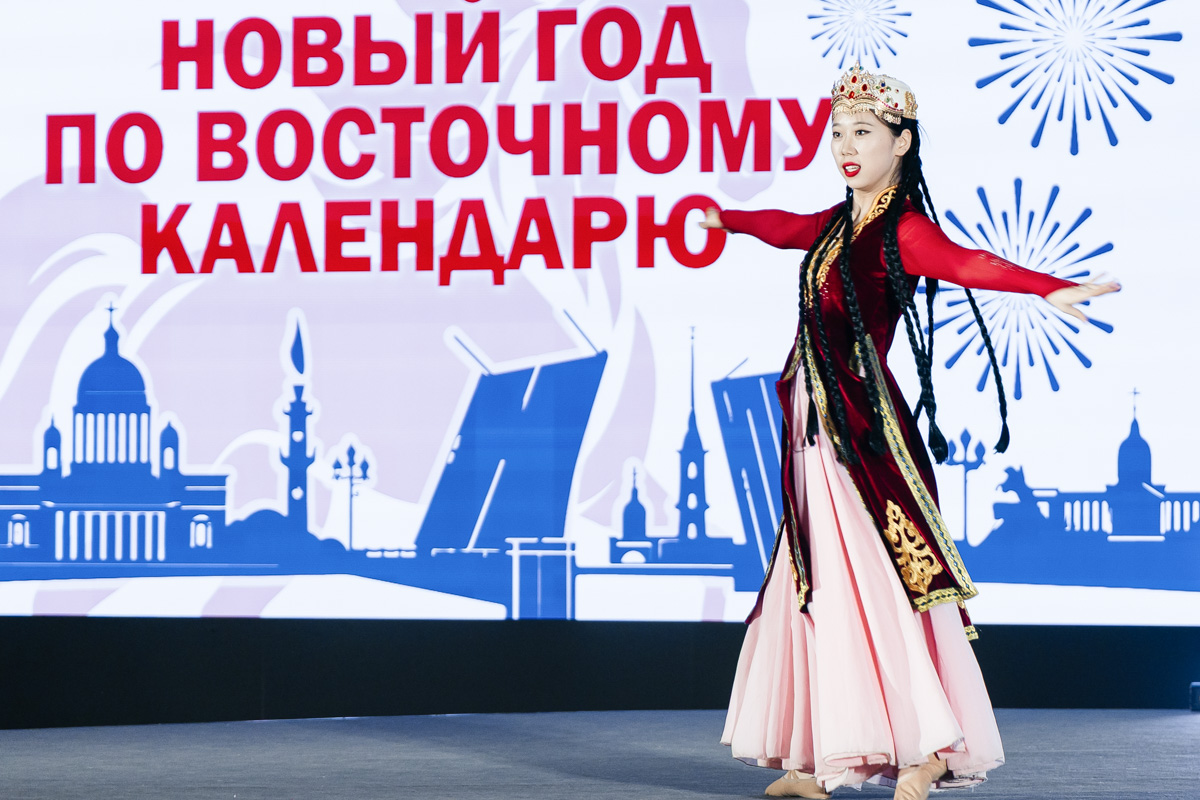
The celebration was held as part of the Year of Unity of the Peoples of Russia, proclaimed by Russian President Vladimir Putin for 2026. It aims to strengthen interethnic dialogue, develop cultural exchange, and promote the traditions of the peoples of Russia and Eastern countries.
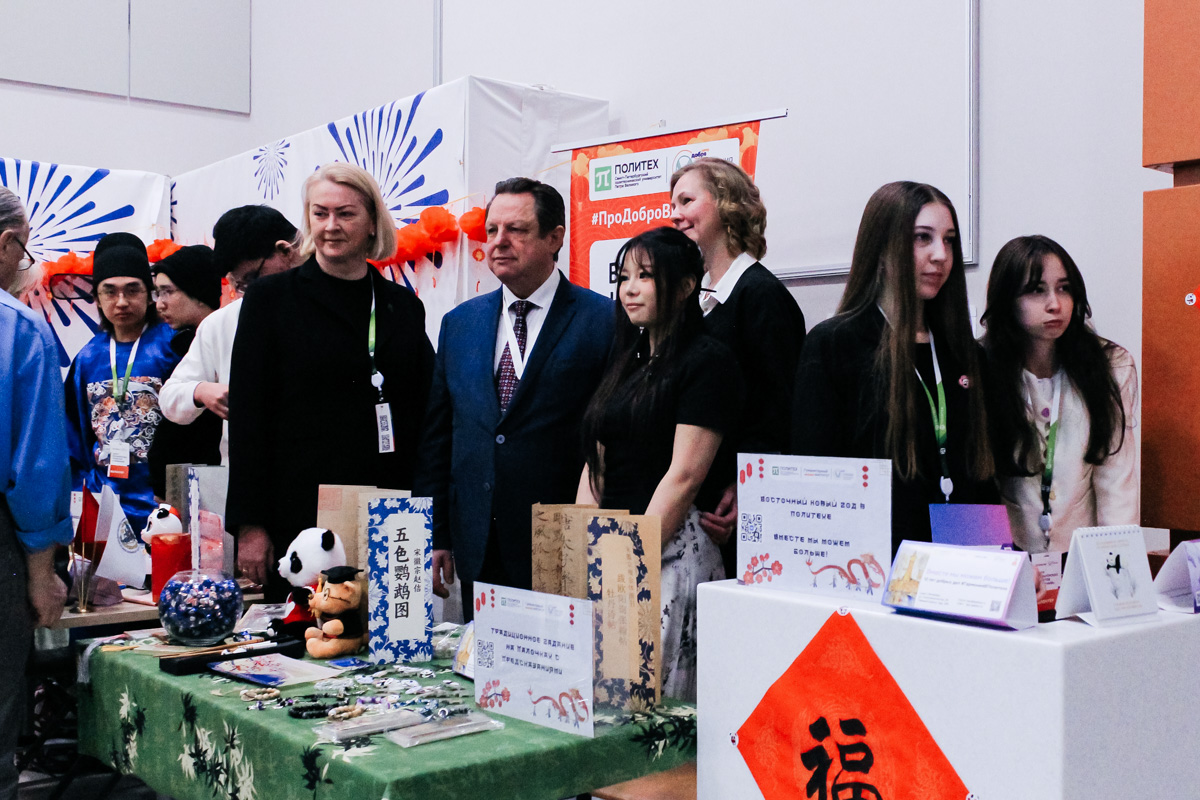
University representatives participated in the grand opening and the roundtable discussion dedicated to issues of national cultures, traditions, and social interaction. Among the honored guests were Pavel Nedelko, Assistant to the Vice-Rector for International Affairs at SPbPU, and Tatyana Nam, Director of the «Harmony» Center for Volunteer Projects and Deputy Director of the Institute of Humanities.
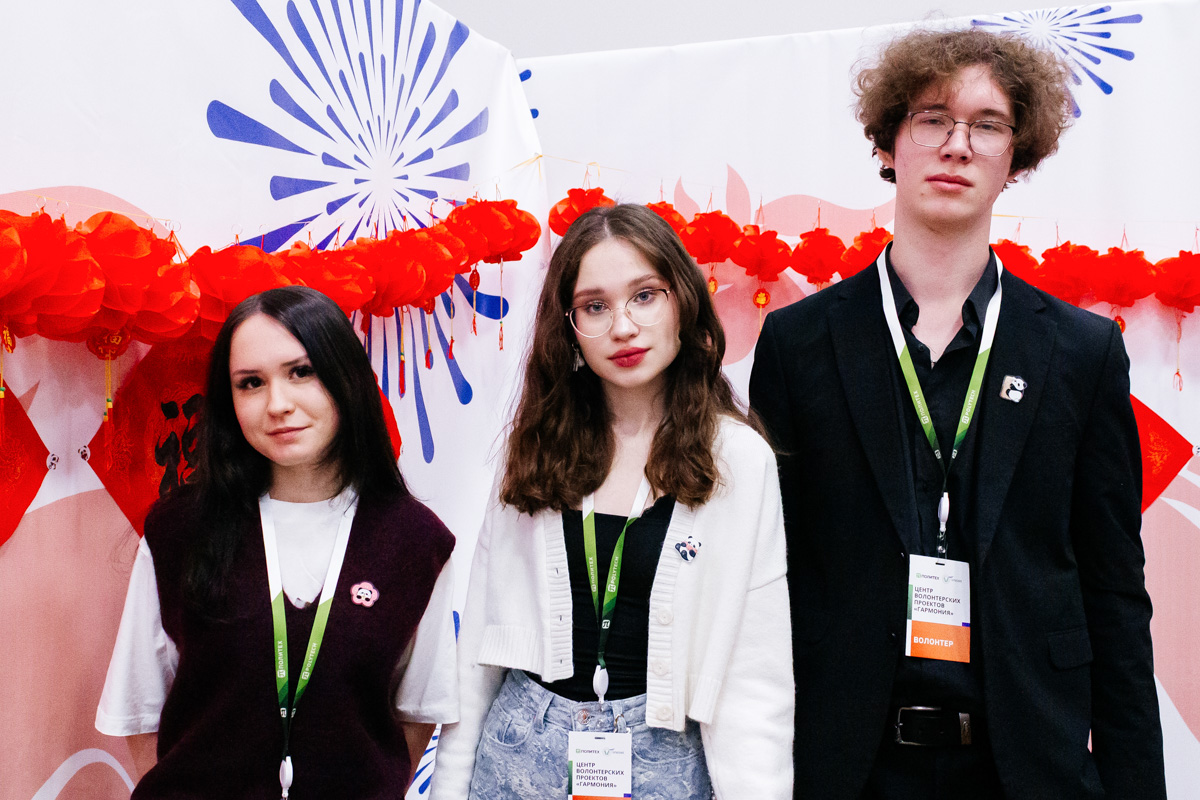
The active participation of international students from the Institute of Humanities and the Higher School of International Educational Programs (HSIEP) gave the event special significance. International students from China, Indonesia, Vietnam, and other countries presented the cultural traditions of their homelands. Together with Polytech students from various Russian regions, including Buryatia and Kalmykia, they made a significant contribution to creating a festive atmosphere and a meaningful festival program.
The Indonesian station became one of the central interactive areas. Guests were introduced to the cultural diversity of the world’s largest archipelagic state, uniting around 17,000 islands, including the widely known island of Bali.
The exhibition included traditional musical instruments, «Angklung» and «Gamelan,» which play an important role in the national musical culture. Visitors were shown elements of decorative, applied, and everyday culture: batik fabric featuring a map of Indonesia, a batik-style wallet, a souvenir replica of the 2,000-rupiah banknote, and a traditional fan.
Particular interest was sparked by the traditional men’s headgear, the «Blangkon»; a character from the «Wayang Kulit» shadow puppet theater; and Barong masks, both Balinese and Javanese. The students explained in detail the symbolism of the exhibits, their historical significance, and their role in contemporary Indonesian culture.
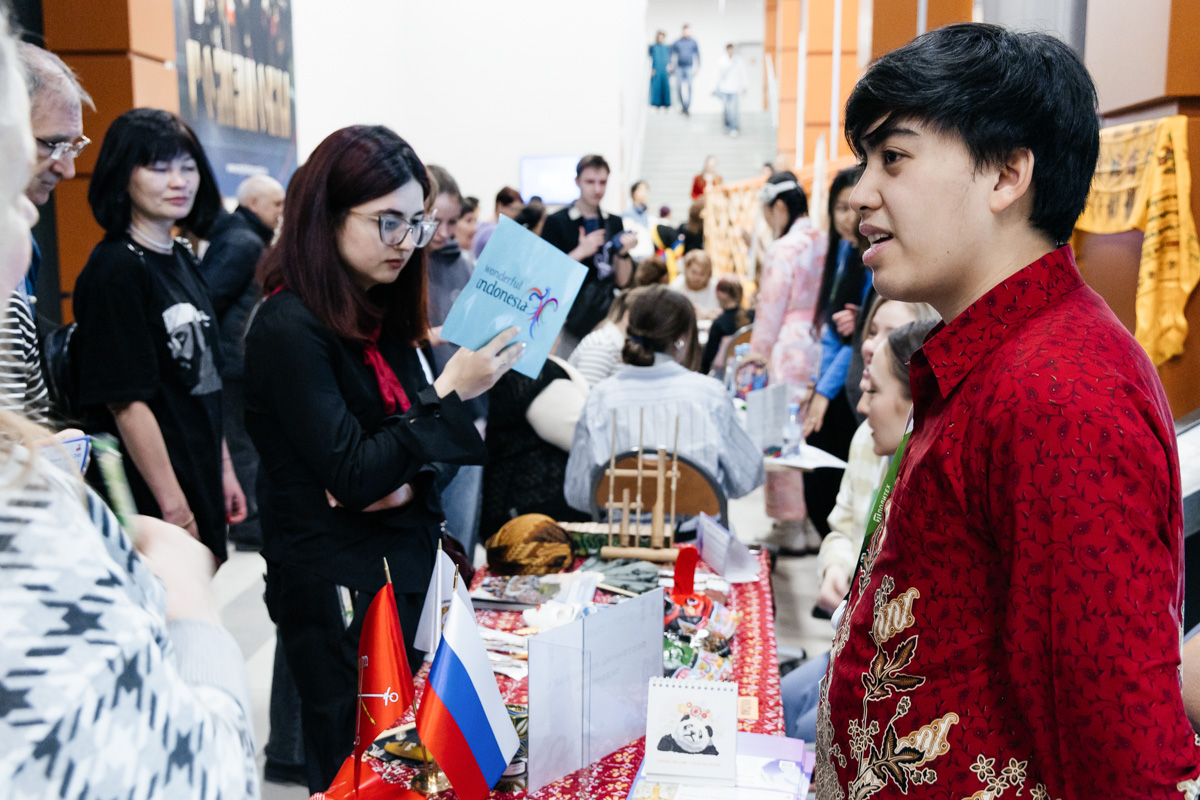
The culmination of the Indonesian part of the program was the performance of «Rato Jaroe» — a traditional dance from the Aceh province, which serves as a form of greeting for honored guests. This dance was previously presented at the opening ceremony of the Asian Games and is considered a symbol of respect and collective unity. The piece was performed by students: Imanullah Teguh, Rayhan Farrell Umar, and Febrian Riua.
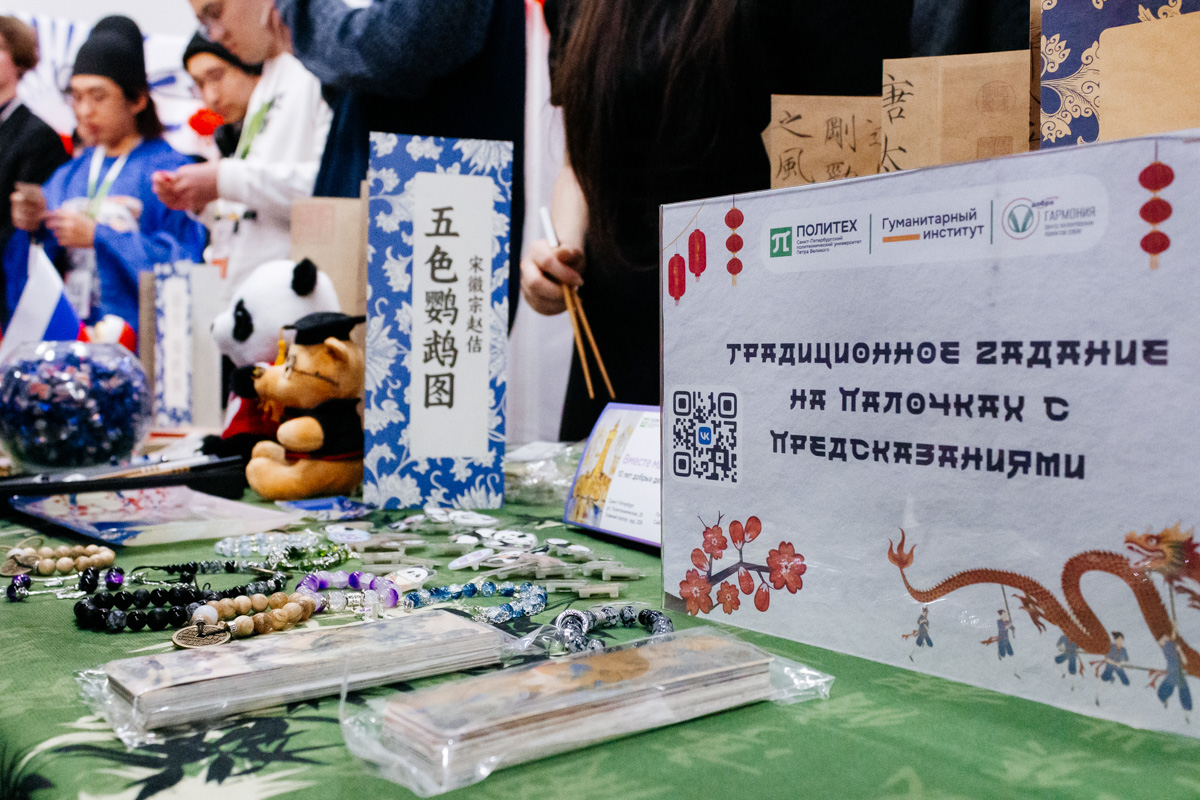
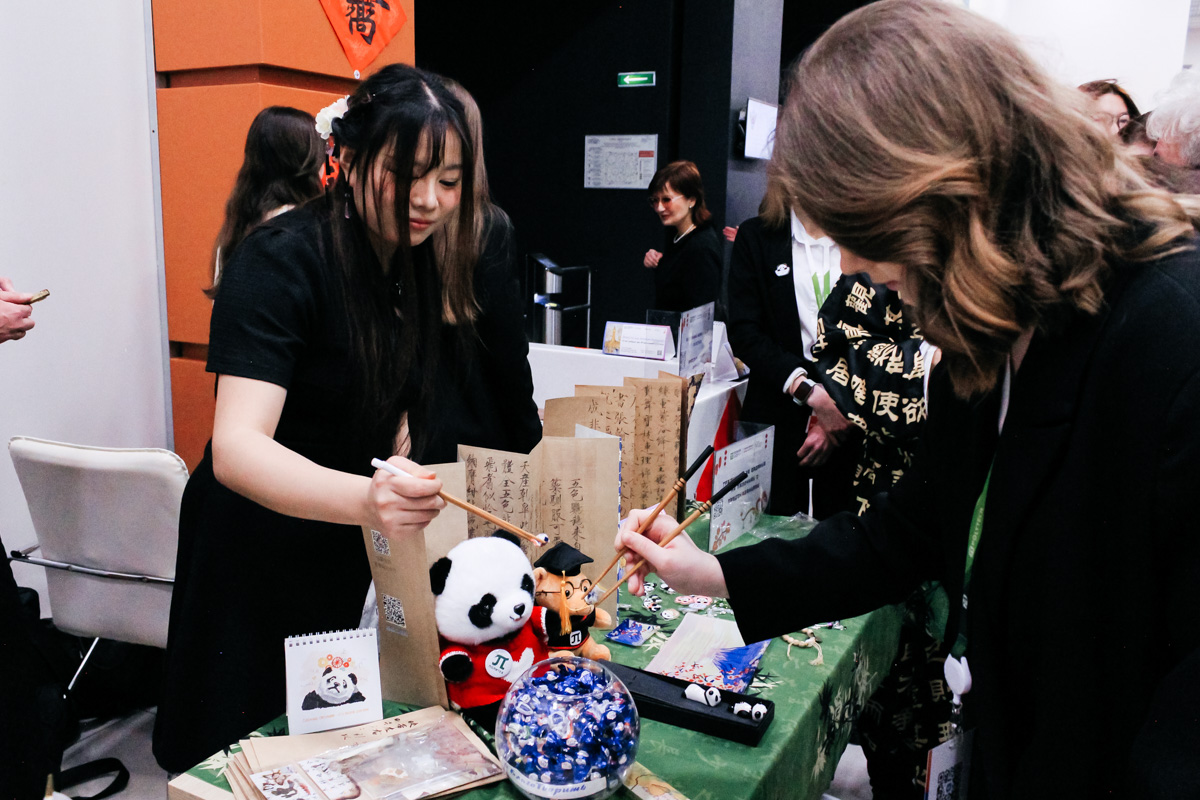
The Chinese station was organized with the active participation of international students: Mao Yiling, Zhao Ziyan, Lu Chunyu, Liu Chengran, Wang Yi, Li Junying, Tian Xutong, and Zhang Xinyue.
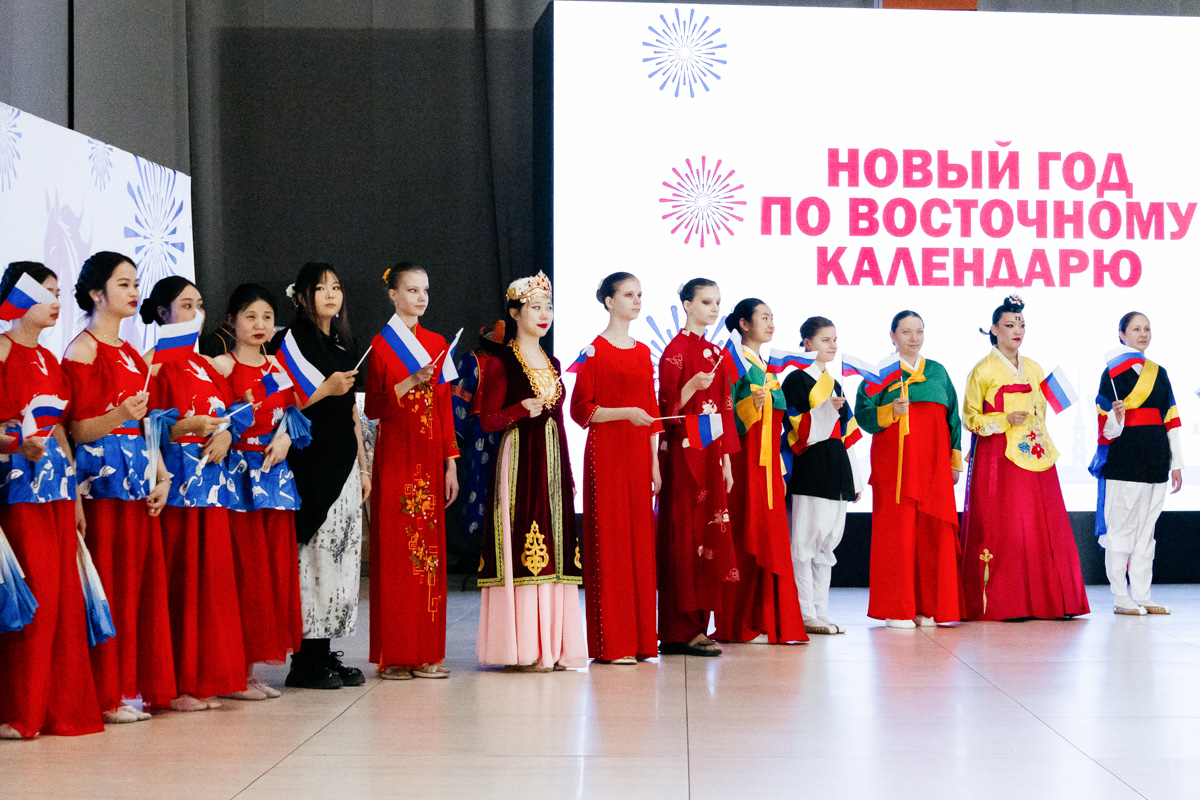
The station’s program included a master class on the traditional Chinese paper-cutting art «Jianzhi,» making festive lanterns, and an introduction to the tradition of fortune-telling with sticks containing predictions. A themed quiz aimed at expanding knowledge about Chinese culture, holiday symbolism, and philosophical traditions was an additional feature. Students from the Institute of Humanities, Zhang Xinyue and Ye Zirou, performed dances and songs in the concert program.
The Buryat station combined elements of decorative, applied arts, and traditional hospitality. Students conducted a master class on creating a paper model of a yurt, which could be decorated with national ornaments. Participants learned about the features of nomadic culture and the symbolism of the traditional dwelling.
Guests were told about the significance of the khadak, a sacred silk scarf symbolizing respect, purity of intentions, and good wishes. The color meanings of the khadak were presented, and the traditional greeting gesture «zolgolgo» was demonstrated. The atmosphere was complemented by national treats — boovy. The culture of Buryatia was presented by activists: Aryuna Komissarova, Adisa Mizhitova, and Adisa Tsyrenova.
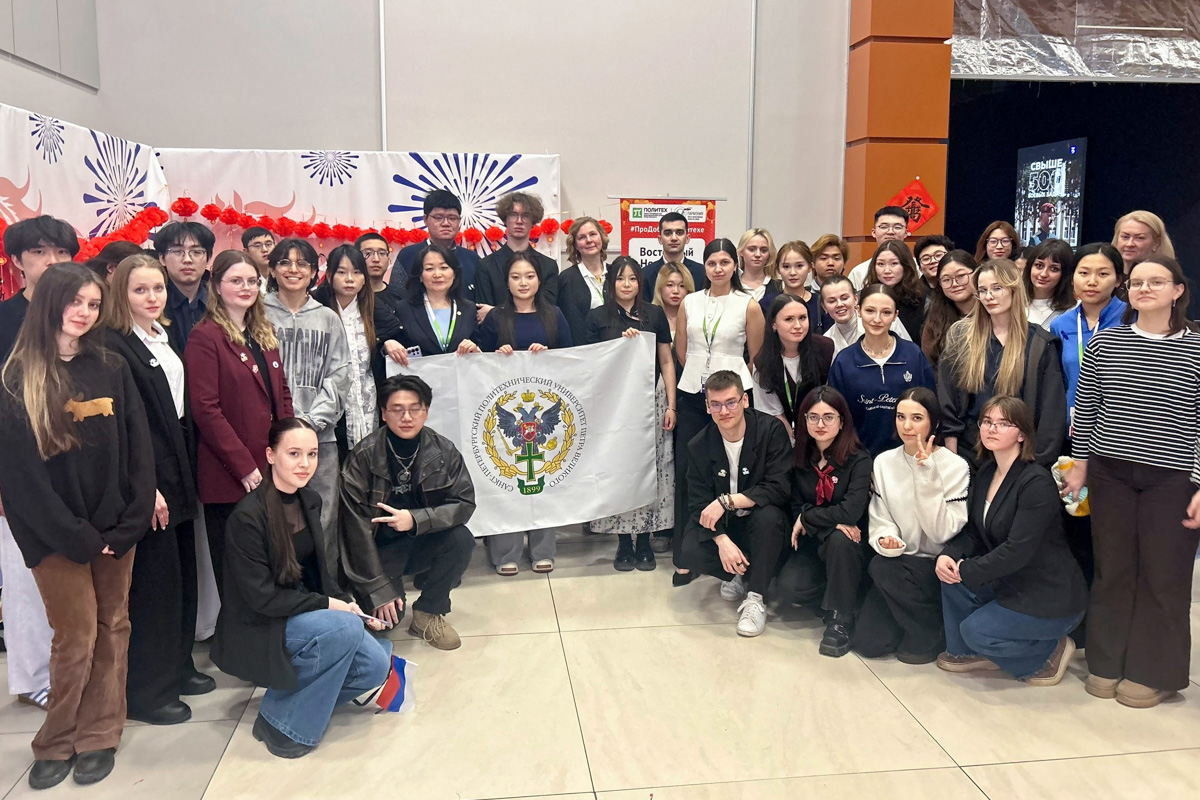
SPbPU’s participation in the annual Eastern New Year celebration demonstrates the high level of social activity among its students, including international students from the HSIEP preparatory department, and underscores the university’s significant role in creating a space for intercultural interaction in St. Petersburg.