
A gold medalist from Vietnam: At SPbPU, I learned not to be afraid to take action!
A graduate of the St. Petersburg Polytechnic University master’s program, Vietnamese student Do The Manh (Đỗ Thế Mạnh) received one of the university’s highest awards — a gold medal. He studied at the Institute of Electronics and Telecommunications in the field of «Secure Telecommunications Systems.» In an interview, he talked about his journey, his love for St. Petersburg, and his advice to future international students.
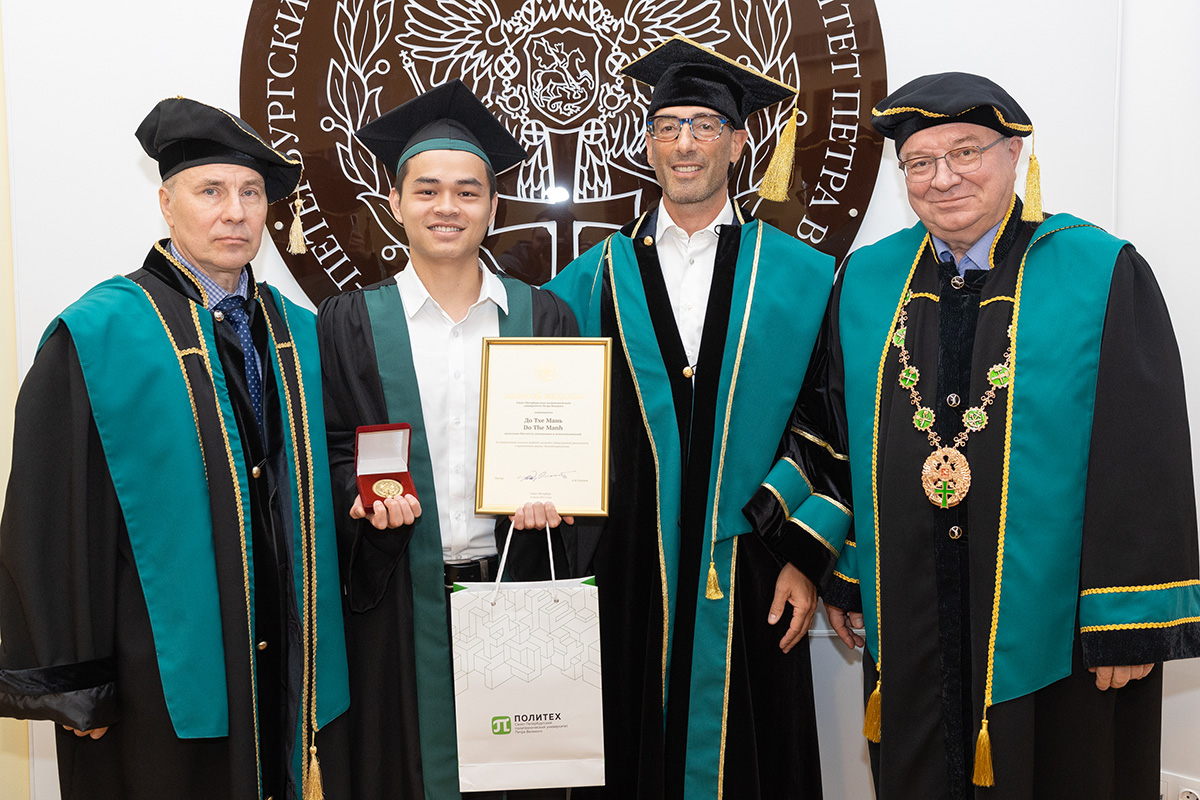
-Congratulations on your gold medal! This is an outstanding achievement. Tell us why you chose Russia, St. Petersburg, and SPbPU.
-For Vietnamese people, Russia is a friendly country. The historical ties are very strong. We know that Russia has powerful technologies, especially in telecommunications—reliable, excellent systems. First, I chose a field of study, then I decided to study in Russia, and then I learned about SPbPU. It attracted me not only with its level of science, but also with its atmosphere, the beauty of the city, and student life.
-You have come all the way here: bachelor’s and master’s degrees at the Institute of Electronics and Telecommunications. Why telecommunications?
-I became interested in it back in school. I liked how Wi-Fi and the Internet worked. I wanted to understand the principles, how it is installed, and how it can be improved. That’s how I decided on my field of study.
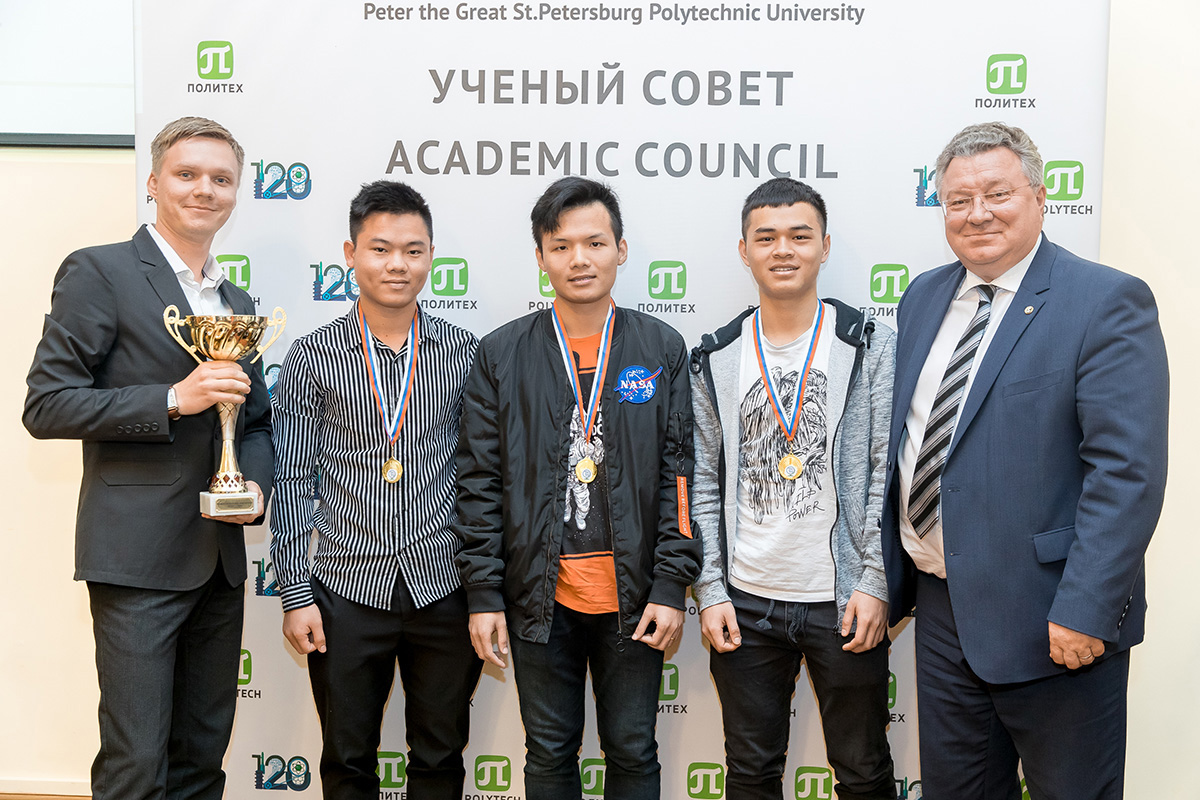
-Have your expectations from your studies been met now that you have your master’s degree?
-Absolutely! The knowledge I gained was profound and very important for my future career. My expectations were fully met.
-What were your first impressions of St. Petersburg and SPbPU seven years ago?
-The city immediately captivated me with its beauty: the streets, architecture, and sights. At SPbPU, I was struck by the number of foreign students — about 5,000! We lived in a dormitory for foreigners. The Russian language was not easy, especially because of the Cyrillic alphabet after the Latin alphabet. But the teachers at the preparatory faculty were surprisingly kind and patient, explaining everything very clearly. That helped a lot.
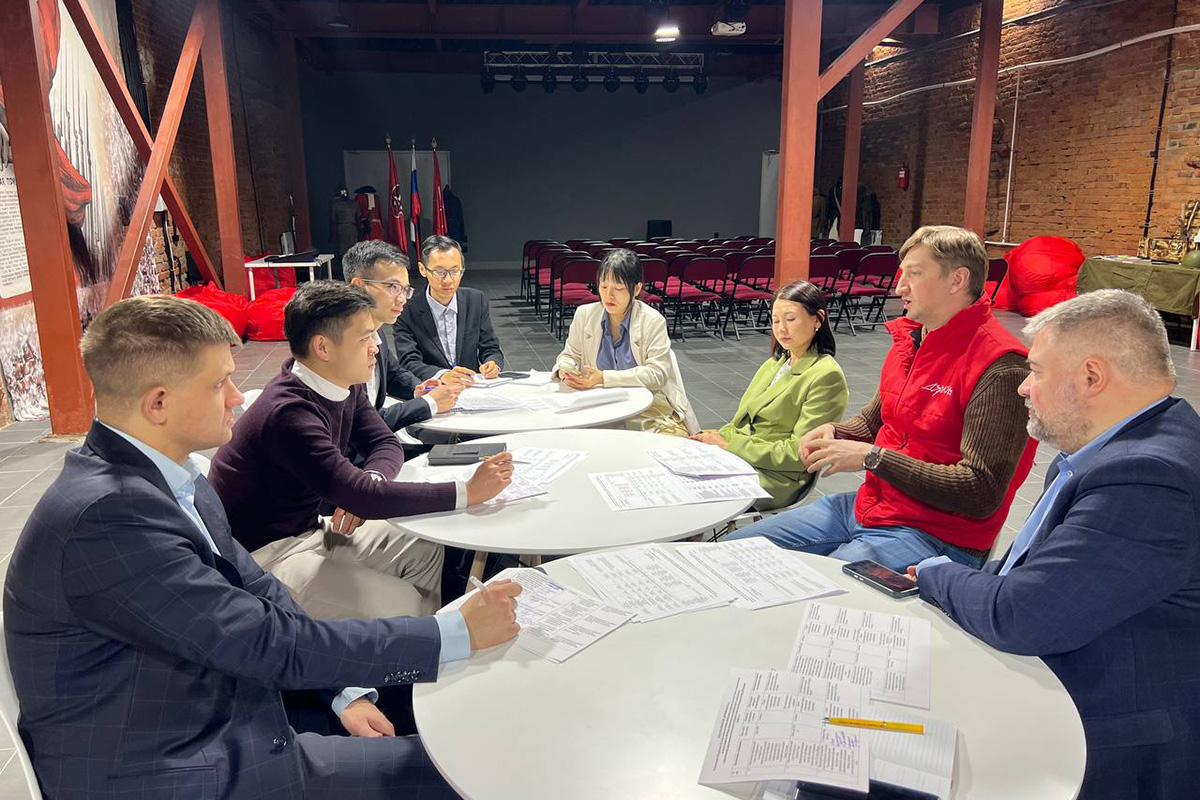
-The path to the gold medal was clearly not easy. What was the most difficult part?
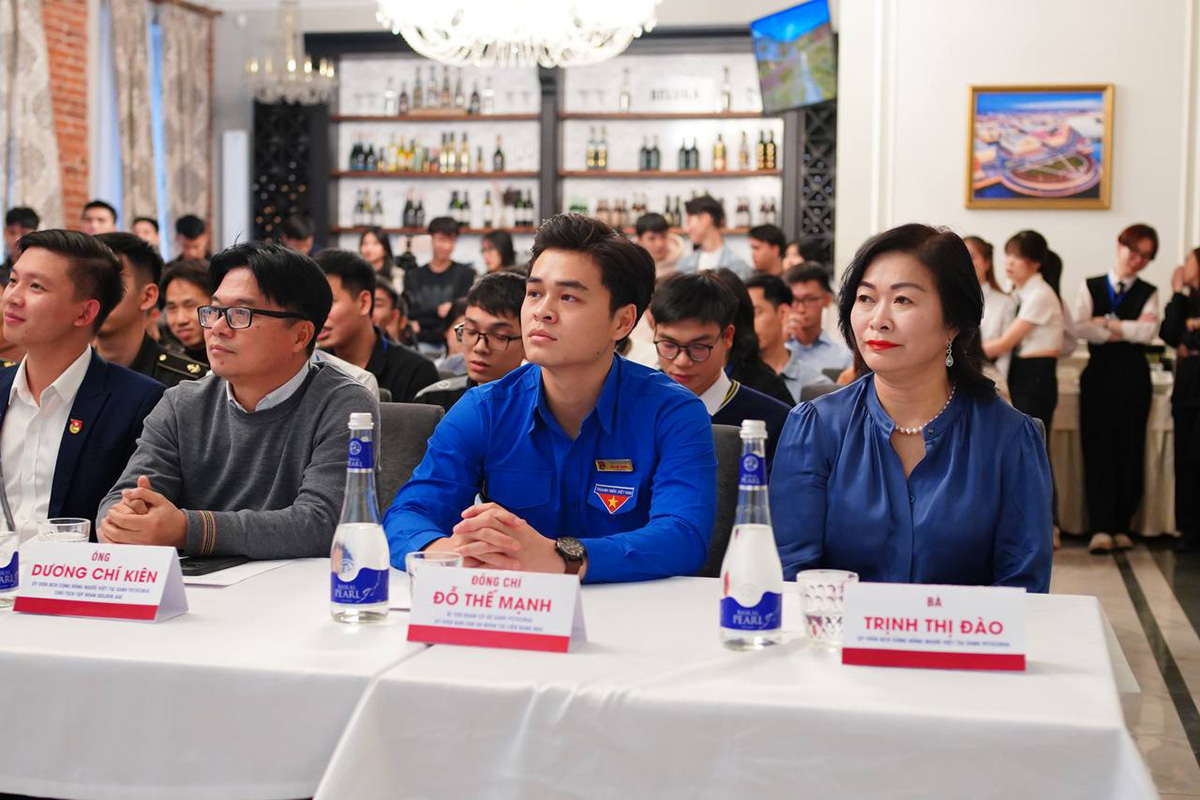
-It was very difficult to combine my studies with community work. I was the chairman of the Association of Vietnamese Students in St. Petersburg and a member of the Association in Russia. There were many organizational matters, and sometimes the balance between my studies and my community workload was disrupted.
-How did you manage to overcome this imbalance?
-My teachers and the administration helped me. I knew I could turn to them for help or advice. I am very grateful for their support—without it, it would have been more difficult to win a medal.
-Which subjects or teachers do you remember most?
I was particularly inspired by the classes of my academic supervisor, Gelgor Alexander Leonidovich. He taught several subjects in both the bachelor’s and master’s programs. His lectures and seminars were incredibly interesting because of the connection between theory and real practice. I think not only I, but most of the group appreciated them for this.
-Apart from the language, what difficulties did you encounter as a foreign student?
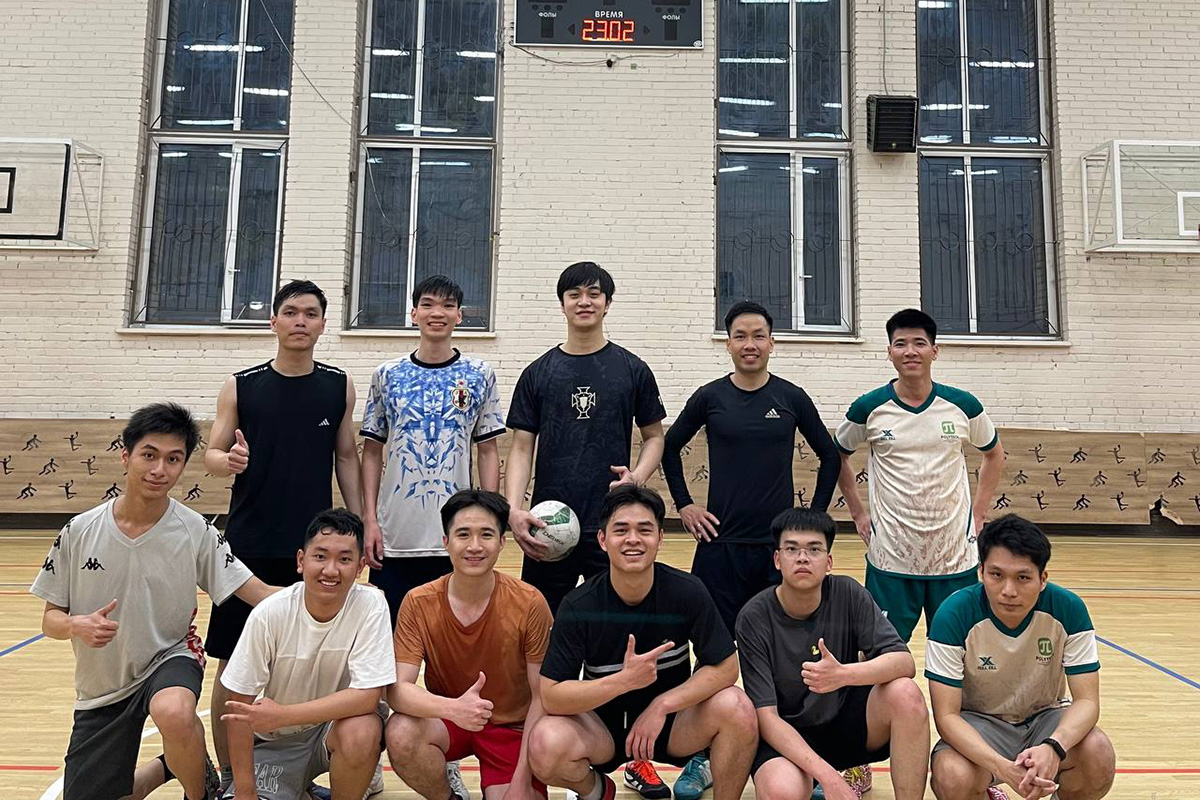
-At first, it was difficult to communicate with my Russian classmates. My Vietnamese friend and I stuck together, and there was a certain barrier. But it broke down after a semester. We started communicating about our studies — helping each other with assignments (we had a good foundation from school). And then our friendship went beyond the classroom: we went for walks and spent time together.
-The climate, food, everyday life — what was the most unusual?
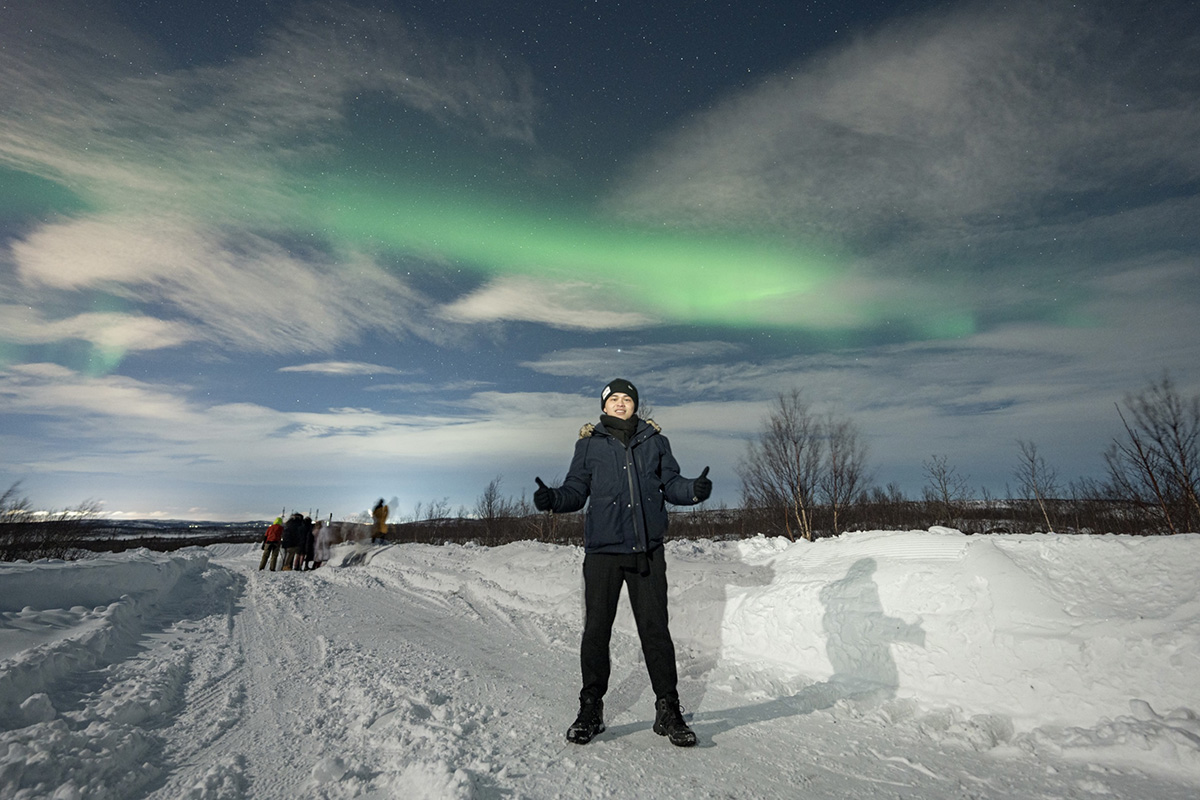
-The climate, definitely! In Vietnam, the minimum temperature is +10°C, but during my first winter here, I experienced −30°C! It was a shock. But by the second winter, I had gotten used to it — it was freezing outside, but the dormitory was always warm. I had no problems with the food. I really liked borscht! And Russian shashlyk is not just food, but a whole atmosphere: the company, the place, the laughter... A special tradition.
-Did you learn Russian from scratch at the preparatory faculty?
-Almost. I spent six months in Vietnam learning the basics: the alphabet, basic phrases. Serious grammar and practice began here. I even went out of my way to walk around and talk to elderly people on the streets—I practiced and learned a lot of interesting things about their lives and experiences. The preparatory faculty gave me much more than just language skills.
-What did you like most about St. Petersburg?
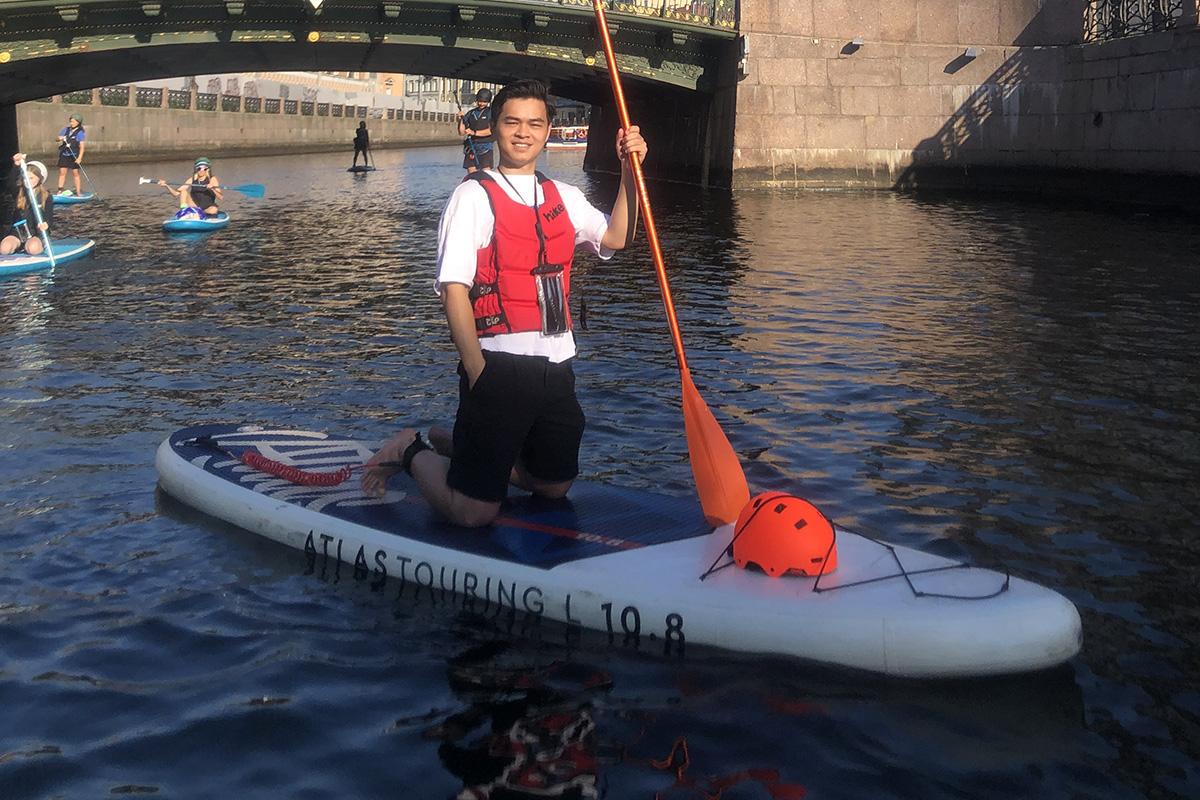
-I love everything here! Over the past seven years, the city, the people, the university, the teachers, my friends — everything has become dear to me.
-Did you manage to learn more about Russian culture?
-Yes! Thanks to our work at the Association, we were often invited to events by the Committee on External Relations and the Committee on Youth Policy. We tried the national cuisine and got acquainted with traditions. It is striking how history is honored and culture is preserved here. This largely explains Russia’s place in the world.
-What have these seven years meant to you? How have you changed?
-It was a journey from schoolboy to specialist. I matured internally, learned to manage my time, and earned the respect of those around me. I gained a tremendous amount of knowledge and life experience.
-What skills, professional and personal, do you consider most valuable?
-The ability to plan my studies and life, to manage my time. And respect for people — without a doubt.
-What would you say to yourself seven years ago, on your first day at SPbPU?
-Don’t be shy! Take action! There were times when shyness prevented me from doing something, and then I regretted it. If you want something, go for it!
-Was there anything completely unexpected, good, or difficult?
The most unexpected and pleasant surprise was the gold medal! I didn’t even know it existed at first. I found out later, but my main goal was always to gain knowledge to apply it in Vietnam. The medal is a wonderful bonus to that.
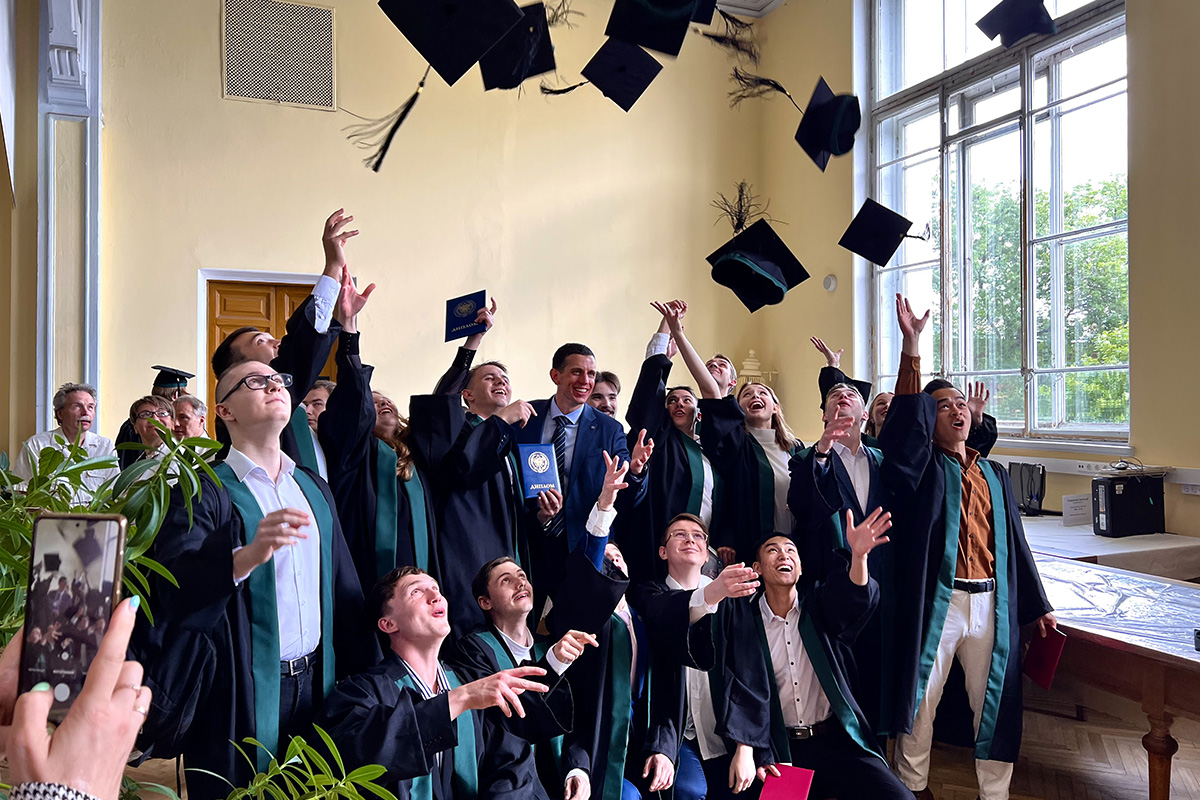
-What are your plans now? Is an SPbPU diploma an advantage in Vietnam?
-I’m going back to Vietnam soon to work in my field. I already have a job. An SPbPU diploma is definitely a big advantage. Russia is known for its technology, and SPbPU has a high rating and teachers who are recognized in our field. This is appreciated.
-Will you keep in touch with Russia?
-Definitely! With friends, teachers, and the university. And if my work requires me to deepen my knowledge, I may return to graduate school.
-What is your main advice to future foreign students at SPbPU?
-Learn Russian. Don’t be shy about communicating with Russians! Plan your studies. Learn to manage your time. And most importantly, don’t be afraid to ask your teachers for help. They are friendly and will always help you figure things out.